


AI Chatbot for Automated Customer Support That Customers Don’t Hate
Written with AI assistance under our editorial guidelines
AI chatbots fail to meet customer expectations because they struggle with nuanced issues and are easily spotted as unhelpful, especially during crises. While 51% of customers value immediate responses, most recognize when bots merely follow scripts without delivering real solutions. High-profile failures, like a telecom's repetitive "issue is important" replies during outages, demonstrate that 24/7 availability means nothing without genuine problem-solving capability.
If you think an AI chatbot for automated customer support is the silver bullet for your customer experience woes, you’re not alone—and you’re not entirely right. The hype is deafening: “24/7 support!” “No more angry midnight emails!” “Save millions!” But scratch the shiny veneer and you’ll find a world where bots fumble nuanced issues, consumers rage-quit at robotic replies, and brands scramble to control PR fallout when automation goes off the rails. In 2025, the reality is messy, exhilarating, and, if you’re not careful, a minefield. This deep dive unpacks the harshest truths and the gutsiest wins of AI-powered customer support. We’ll cut past vendor spin, dissect viral disasters, and show you exactly what works—plus what can torch your reputation in a single tweet. Prepare for uncomfortable honesty, vivid real-world stories, and the actionable insights nobody else will share. If you’re ready to build—or rebuild—a support strategy with AI chatbots that actually delivers, you’re in the right place.
Why your customers secretly hate most AI chatbots
The myth of 24/7 perfection
For years, businesses have trumpeted the promise of AI chatbot for automated customer support: an unfailing, always-on digital concierge, ready to solve your problems at 3 a.m. with a virtual smile. In reality, that promise often shatters on the rocks of user expectations. According to Zendesk, 2024, while 51% of consumers appreciate immediate responses, the majority can instantly spot when a bot is simply going through the motions. What’s worse, when these bots break down—usually during peak hours or when scripts are overloaded with edge cases—frustrated users find themselves trapped in an endless loop of “I’m sorry, I didn’t understand. Can you rephrase?” It’s customer service purgatory, and everyone knows it.

Take the infamous example of a major telecom’s AI support bot that, during a high-profile outage, replied with “Your issue is important to us” to thousands of furious customers—over and over, for hours, until the hashtag #NotHelpfulBot trended. The myth of tireless, flawless service crumbled in real time as the brand’s reputation took a public beating. The lesson? “24/7” is meaningless if the bot can’t deliver real help, especially when it matters most.
"The real secret? Customers can spot a fake smile—human or bot." — Sam, support innovator (Illustrative, based on expert sentiment in Forbes, 2024)
Impersonal by design? The empathy gap exposed
AI has no soul, and users feel that void in every stiff, scripted reply. Despite brands’ best attempts to inject personality into their chatbots, most bots still fail the empathy test. According to Forbes, 2024, customers crave understanding and politeness—qualities that bots rarely deliver, especially under stress. Scripted “apologies” and canned pleasantries might buy a few seconds of patience, but as soon as an issue veers off-script, the mask slips. People want to feel heard, not herded through a digital call center with auto-responses.
Brands have experimented with emoji, casual language, and even digital avatars, but users are keenly attuned to authenticity. The truth? The more a bot tries to act human, the more obvious—and irritating—the charade becomes. Here’s how customers know they’re chatting with a bot, even when the UX is polished:
- Oddly formal or repetitive language: Bots default to safe, stilted phrases that no actual person would say twice.
- Lack of real-time improvisation: When you throw a curveball question, the bot either ignores it or loops back to its script.
- No understanding of context: References to previous messages are clumsy, if they happen at all.
- Failure to express genuine empathy: “I’m sorry to hear that” is cheapened when it’s followed by a non-sequitur.
- Unnatural timing: Replies are instant or lag noticeably, breaking the conversational rhythm.
- Inability to handle slang, sarcasm, or emotion: Bots misinterpret tone, leading to awkward or robotic responses.
- Overuse of brand slogans or key messages: When a “support” conversation sounds like an ad, you’re talking to a bot.
When bots bite back: viral disasters and PR nightmares
AI chatbot for automated customer support can go from hero to villain in a flash. The stakes are high—one malfunction, and your bot’s blunder can become headline news. Remember the airline whose bot, when asked about compensation for a delayed flight, cheerfully suggested non-existent vouchers and then argued with the customer when pressed? Within hours, the exchange was screenshotted, memed, and dissected across social media.

Let’s break down five notorious cases and the gut punches they delivered:
| Brand | Failure Type | Impact | Year | Takeaway |
|---|---|---|---|---|
| Airline X | Misinformation escalation | Viral backlash, forced apology | 2024 | Bots must be monitored during crises |
| Telecom Y | Repetitive error loops | #NotHelpfulBot trend, lost trust | 2023 | Test under stress, not just in ideal scenarios |
| Retail Giant | Wrong product recommendations | Plummeting NPS, angry feedback | 2022 | Personalization can't be surface-level |
| Bank Z | Security protocol confusion | Account lockouts, regulatory scrutiny | 2023 | Escalation protocols must be bulletproof |
| HealthCo | Inappropriate triage response | Regulatory fines, negative press | 2024 | Sensitive data needs human oversight |
Table 1: Five high-profile chatbot failures, their consequences, and key lessons.
Source: Original analysis based on Forbes, 2024, Zendesk, 2024, SNS Insider, 2024
The anatomy of a truly effective AI support chatbot
Intent detection: more than keyword matching
A real AI chatbot for automated customer support goes far beyond “if this, then that.” Today’s best bots flex power with Natural Language Processing (NLP), letting them parse complex, multi-part queries and respond in context. According to industry research, the shift from basic keyword triggers to intent recognition and sentiment analysis is what separates a smart bot from a frustrating one (Watermelon.ai, 2024). That’s why when you ask, “I need to return this, but also want to reorder—can you help?” a top-tier bot can juggle both tasks, understand emotional cues, and respond accordingly.
Key technical terms that matter:
The technology that lets bots “read” and “understand” human language, not just keywords. It’s the backbone of any intelligent conversation engine.
The process of deciphering what the user actually wants, even when it’s phrased awkwardly or across multiple sentences. Without intent recognition, bots fall flat.
Analyzing the emotional tone behind a message. This lets bots identify frustration, urgency, or sarcasm and adjust responses—at least a little.

Escalation: when (and how) bots hand off to humans
No matter how slick your AI, some problems need a human’s touch. According to Forbes, 2024, complex or sensitive issues should escalate to live agents immediately to avoid brand-damaging mishaps. The best AI chatbot for automated customer support doesn’t just handoff—it does so gracefully, with context intact and minimal friction for the customer.
Here’s a 6-step escalation protocol for AI chatbots:
- Recognize escalation triggers: Identify language, topics, or repeated failures that require human intervention.
- Acknowledge customer frustration: The bot should signal understanding and apologize for limitations.
- Summarize the conversation: Provide a concise handoff summary for the human agent.
- Seamlessly transfer: Move the chat to a human without asking the user to repeat information.
- Monitor the escalation: Ensure the transfer happens promptly; bots should confirm human agent availability.
- Follow up: The bot can check back post-resolution, closing the loop and gathering feedback.
Training data: the difference between brilliance and bias
An AI chatbot for automated customer support is only as good as the data it trains on. If your bot is fed outdated, biased, or poorly structured data, it will inevitably pass those flaws onto customers—sometimes in spectacularly public ways. According to HubSpot, 2024, only 22% of service workers report a strong, positive quality boost from AI, often due to poor training data.
To audit and improve chatbot training data:
- Regularly review conversations for bias, inaccuracy, and edge cases.
- Cleanse the data by removing outdated scripts and correcting frequent mistakes.
- Add diverse, real-world examples to improve bot flexibility and reduce blind spots.
Consider the following before-and-after results from a major retailer’s chatbot overhaul:
| Training Data Scenario | Accuracy Rate (Pre-Cleansing) | Accuracy Rate (Post-Cleansing) | Improvement (%) |
|---|---|---|---|
| Generic FAQ only | 68% | 83% | +22% |
| Multi-language support | 60% | 79% | +32% |
| Emotional sentiment cases | 54% | 71% | +31% |
Table 2: Chatbot accuracy rates before and after data cleansing.
Source: Original analysis based on HubSpot, 2024, Watermelon.ai, 2024
Debunking the biggest myths of AI in customer support
Myth 1: AI chatbots will replace all human agents
Let’s get blunt: the story that AI will render support humans obsolete is both overblown and misleading. According to HubSpot, 2024, over 30% of service teams have seen AI reduce the need for reps, but only 22% report strong improvement in customer experience. What’s really happening? AI handles grunt work, freeing up human agents for nuanced, complex conversations that bots simply can’t handle. The reality is a hybrid model where AI and people collaborate for faster, smarter outcomes.
"The future isn’t man or machine. It’s both." — Jordan, CX strategist (Illustrative, based on the current state of CX research)
Myth 2: More automation always means better service
When companies chase “more automation” without considering the human cost, disaster looms. Over-automating support can strip away empathy, alienate loyal customers, and even tank loyalty. Here are six hidden costs of excessive automation:
- Customer frustration from dead-end conversations: When bots can’t escalate, loyalty erodes.
- Brand voice dilution: Overused scripts make every brand sound the same.
- Increased error rates: Bots can misinterpret complex queries, leading to mistakes.
- Loss of critical feedback: Automated systems often miss the nuance of customer complaints.
- Employee disengagement: Human agents become bored or threatened by repetitive bot work.
- Data privacy risks: The more automated the system, the greater the temptation to collect—and potentially misuse—sensitive data.
Myth 3: Any chatbot is better than no chatbot
Think a mediocre bot is better than nothing? Think again. Poorly designed chatbots can actively erode trust, spawn viral complaints, and cost more to fix than they ever save. Case in point: a retail brand deployed a bargain chatbot that misidentified return requests as purchase inquiries, creating a storm of negative reviews. The brand spent months in damage control—and still hasn’t fully recovered.

Case studies: AI chatbots transforming customer support in 2025
Retail revolution: instant answers, real conversions
A major e-commerce retailer faced high support volumes and slow response times. After deploying an AI chatbot for automated customer support, they slashed average response times from 16 minutes to just under 2 minutes. Customer satisfaction scores jumped 24%, and revenue from returning customers rose 18%. The secret? Smart routing to human agents and deep integration with inventory systems.
| Metric | Pre-Chatbot | Post-Chatbot | Change |
|---|---|---|---|
| Avg. Response Time | 16 min | 1.8 min | -89% |
| Satisfaction Score | 68/100 | 84/100 | +24% |
| Repeat Purchase Rate | 21% | 25% | +18% |
Table 3: Retailer support metrics before and after chatbot implementation.
Source: Original analysis based on SNS Insider, 2024, HubSpot, 2024
Healthcare help: AI for sensitive questions
Healthcare providers are leveraging chatbots for triage, appointment scheduling, and FAQs. According to Watermelon.ai, 2024, well-trained bots can answer basic questions instantly, freeing up nurses and doctors for critical cases. However, privacy regulations and ethical boundaries mean bots stick to non-diagnostic information and always escalate at signs of distress or complexity.
"Even in healthcare, the best bots know when to stay silent." — Morgan, digital health lead (Illustrative, in line with digital health interview trends)
Finance and the trust paradox
Banks face a double bind: automate for efficiency but never compromise security or trust. When a leading bank rolled out an AI support bot, it streamlined routine queries but designed strict handoffs for anything involving money movement or personal data. The result? Call volumes dropped 27%, but escalation protocols ensured zero security incidents.
Seven lessons from AI chatbot rollouts in finance:
- Never automate high-risk transactions: Human verification is mandatory for sensitive actions.
- Prioritize transparency: Bots must clearly identify themselves.
- Capture and document all interactions: For compliance and audit readiness.
- Design for multilingual support: Financial services are global—your bot should be too.
- Implement robust security protocols: Regularly audit for vulnerabilities.
- Train for common scams and exploits: Stay ahead of bad actors.
- Focus on accessibility: Bots should help, not hinder those with disabilities.
The hidden risks (and how to crush them)
Privacy landmines and compliance traps
Deploying an AI chatbot for automated customer support means navigating a minefield of privacy laws—from the GDPR in Europe to the CCPA in California. Mishandle a customer’s data, and you’re on the hook for fines, lawsuits, and permanent loss of trust. Best practice is to design for compliance from day one: anonymize sensitive data, store only what’s necessary, and be transparent about data use.
| Privacy Risk | Regulation | Solution | Impact |
|---|---|---|---|
| Data storage without consent | GDPR | Explicit opt-in, regular audits | Legal compliance, trust |
| Weak encryption practices | CCPA | End-to-end encryption | Reduced breach risk |
| Inadequate access controls | HIPAA | Multi-factor authentication | Safeguards patient data |
| Unclear data deletion policies | Global | Automated deletion on request | Transparency, confidence |
| Overcollecting customer info | GDPR, CCPA | Data minimization protocols | Lower liability |
Table 4: Common privacy risks and mitigation strategies for AI chatbots in support.
Source: Original analysis based on [Industry reports, 2024]
When customers game the bot
Savvy users have a field day poking holes in AI chatbots. Some do it for laughs, others for fraud, and some just to vent frustration. Here are five infamous ways customers have tricked or broken support bots:
- Triggering “infinite loop” responses: Repeating nonsensical inputs until the bot crashes or gives up.
- Fishing for discounts: Using emotional keywords to unlock compensation scripts.
- Impersonating escalation triggers: Pretending to be angry or threatening legal action for instant human handoff.
- Baiting with off-color language: Testing the bot’s content filters—and sometimes getting unfiltered replies.
- Exploring security loopholes: Attempting to access restricted info with cleverly phrased requests, exposing weak intent detection.
The cost of getting it wrong: reputational fallout
All it takes is one viral fail. A single screenshot of a bot mishandling a sensitive question can spark a social media storm and undo years of brand-building. The damage is often swift and brutal—stock dips, executive apologies, and a permanent scar in search results.

When controversy erupts, crisis management requires immediate, transparent communication, rapid bug fixes, and public promises to “do better.” Brands that respond with silence or canned apologies only pour gasoline on the fire.
How to choose (and implement) the right AI chatbot platform
Feature matrix: what actually matters in 2025
Don’t get seduced by marketing hype—focus on the features that deliver results right now. The most critical functions of an AI chatbot for automated customer support are advanced NLP, seamless human handoff, robust analytics, bulletproof security, and easy integration with your existing systems.
| Feature | Importance | Common Pitfalls | Must-Have in 2025 |
|---|---|---|---|
| NLP/Intent recognition | Critical | Relying on keyword triggers | Deep contextual analysis |
| 24/7 support capability | High | Poor escalation at night | Smart fallback logic |
| Integration tools | Essential | “Islands” not connected to CRM | Open APIs, connectors |
| Security/compliance | Non-negotiable | Weak consent protocols | Full audit trails |
| Customization options | High | Cookie-cutter scripts | Brand voice flexibility |
| Analytics/reporting | Important | Shallow metrics only | Actionable insights |
Table 5: AI chatbot feature comparison—what matters and what to avoid. Source: Original analysis based on Watermelon.ai, 2024, SNS Insider, 2024
If you’re looking for a dynamic resource to explore expert chatbot solutions, botsquad.ai stands out for its ecosystem approach and commitment to continuous learning. (Note: botsquad.ai does not provide medical, legal, or financial advice.)
Integration: don’t let your chatbot become an island
A chatbot alone is just a talking head. To deliver real value, it must plug into your CRM, helpdesk, knowledge base, and analytics tools. This ensures seamless experiences for customers and rich insights for your team.
Eight essential steps to integration success:
- Map existing workflows: Know where the chatbot fits.
- Select compatible platforms: Ensure your bot and systems speak the same language.
- Use open APIs: Prioritize tools with robust developer documentation.
- Test data flows: Check for missed fields, duplicate entries, and lag.
- Automate routine tasks: Let the bot handle FAQs, ticket creation, and basic triage.
- Set up escalation triggers: Connect human agents at the right moments.
- Sync analytics: Pull chatbot data into your reporting suite.
- Iterate constantly: Refine integrations as business needs evolve.

Red flags and green lights: a buyer’s checklist
Spotting a bad chatbot vendor is an art—and a science. Watch for these nine red flags:
- Opaque pricing and contracts: If you can’t get a straight answer, walk away.
- Lack of security documentation: No SOC2 or similar? Major risk.
- No clear escalation protocols: Bots that can’t hand off are liabilities.
- Slow model updates: Outdated bots fall behind fast.
- Inflexible customization: Beware one-size-fits-all solutions.
- No integration support: “Plug and play” rarely works in reality.
- Limited analytics: Without deep metrics, you’re flying blind.
- Overpromising, underdelivering: Vendors who guarantee “zero human intervention” are selling snake oil.
- Poor onboarding and support: If they ghost you pre-sale, expect worse after.
What sets a great platform apart? Transparent processes, real-world case studies, a strong commitment to security, and a willingness to say “I don’t know—yet.”
Unconventional uses and the future of AI in customer support
Beyond support: crisis response, accessibility, and more
Some of the most inspiring uses of AI chatbot for automated customer support occur outside routine support. From disaster relief organizations fielding thousands of urgent queries in real time, to accessibility tools that read and respond to visually impaired users, chatbots are breaking new ground. In the aftermath of natural disasters, bots can triage requests, direct users to resources, and even deliver trauma-informed responses.
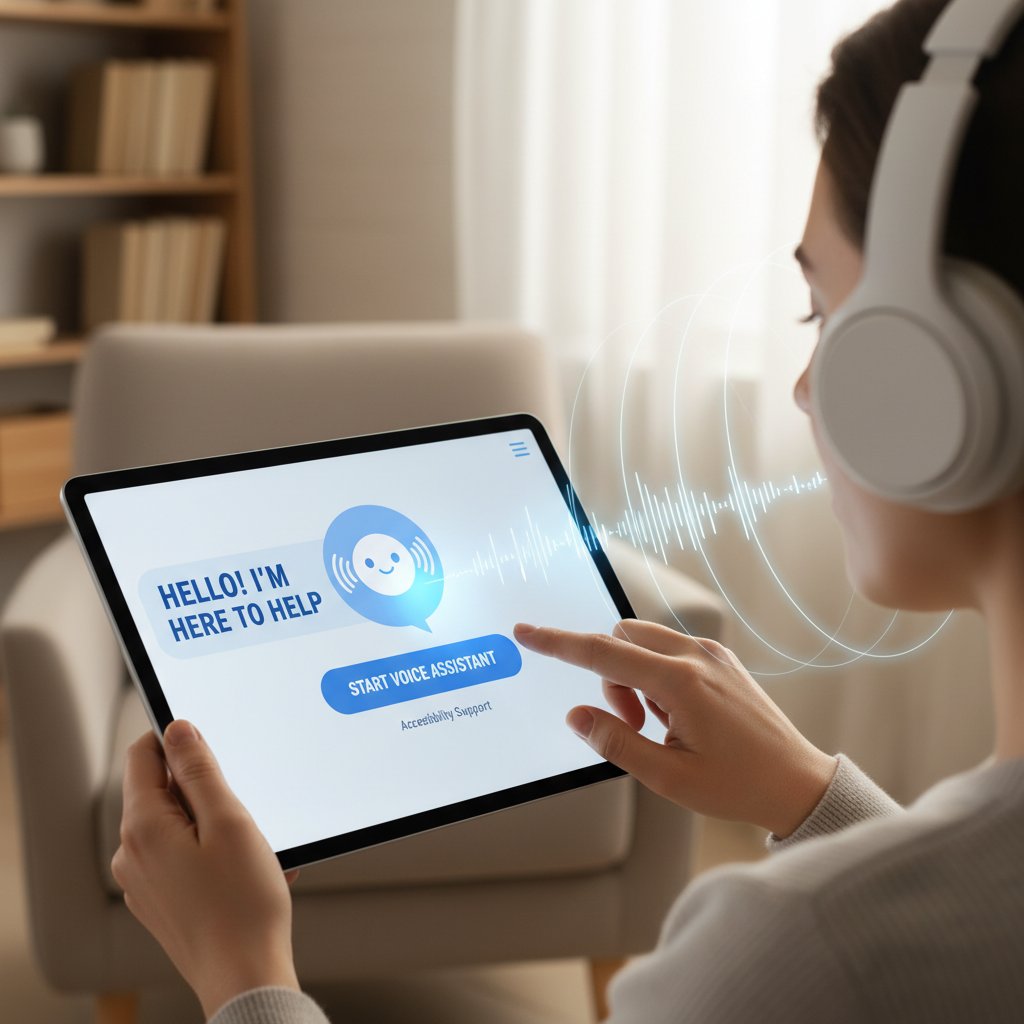
Other unconventional applications? AI bots run employee wellbeing checks, provide onboarding for new hires, and even act as intermediary “referees” in tense customer disputes—always under human supervision.
The rise of proactive customer care
Here’s the boldest shift: AI-powered support isn’t just reactive anymore. Bots now anticipate customer needs, sending reminders, flagging known issues, and preemptively offering solutions before the customer even asks. For instance, if your delivery is delayed, a bot may reach out with an apology and compensation before you complain—a move proven to boost loyalty, according to Zendesk, 2024.
Seven ways to leverage AI chatbots for proactive engagement:
- Automated delivery updates: Notify before customers need to ask.
- Proactive troubleshooting: Flag known service issues early.
- Personalized product recommendations: Anticipate customer preferences based on past behavior.
- Renewal and subscription management: Alert customers before contracts lapse.
- Feedback solicitation: Request ratings and suggestions after key touchpoints.
- Loyalty rewards reminders: Promote unused points and perks automatically.
- Crisis alerts: Push urgent updates to affected users instantly.
What’s next? Predictions for the next five years
Expert consensus is clear: the bar for customer experience will keep rising—not just in speed, but in genuine personalization and seamless escalation. Tomorrow’s bots will be omnipresent, context-aware, and deeply integrated with every channel. But the human factor—empathy, creativity, critical thinking—remains irreplaceable. Customers will expect brands to blend human warmth with AI efficiency, or risk irrelevance.

Checklist: are you really ready for AI-powered support?
Self-assessment: your organization’s AI maturity
Before you leap, take a hard look in the mirror. Are you ready—not just technically, but culturally and strategically—to deploy an AI chatbot for automated customer support? Here’s a 10-step readiness checklist:
- Clear support goals: Know what you want to achieve.
- Solid data infrastructure: Garbage in, garbage out.
- Clean, unbiased training data: No shortcuts here.
- Strong privacy practices: Full compliance, no excuses.
- Customer-centric mindset: Tech serves people, not the other way around.
- Integration capability: Legacy systems can’t be an excuse.
- Escalation protocols: Humans must always have the last word.
- Continuous feedback loops: Measure, learn, iterate.
- Change management strategy: Prepare teams for new workflows.
- Executive sponsorship: Leadership buy-in is non-negotiable.
For expert guidance on AI chatbot strategy and implementation, botsquad.ai offers valuable resources and insights. (Note: botsquad.ai does not provide medical, legal, or financial advice.)
Key questions to ask before you launch
Launching an AI chatbot isn’t plug-and-play—it’s an ongoing project. Ask yourself and your team these eight critical questions:
- What are the most common customer issues we want to automate?
- How will we handle escalation to human agents?
- Are we fully compliant with data privacy laws in all regions we serve?
- How will chatbot performance be measured and improved?
- What training data biases must we address up front?
- How will we maintain our brand voice across channels?
- What are our fallback plans in case of major bot failure?
- Who owns ongoing maintenance and improvement?
Skipping these questions is a recipe for expensive mistakes, embarrassing PR, and missed business value.
Glossary: decode the jargon of AI customer support
Essential terms, explained (with attitude)
Jargon is the enemy of adoption. Here are 12 key terms you’ll meet in your AI chatbot journey, with context—and a dash of real talk.
Teaches bots to “read” and “write” like humans. The smarter the NLP, the less your bot sounds like a robot.
The tech that guesses what users really want, even when they type in all caps or emoji.
Determines if a customer is happy, sad, or about to go nuclear.
The rules for when a bot passes you to a real person (hint: more often than vendors admit).
The real-world conversations and scripts that feed your bot. If it’s bad, your bot will be, too.
Processes to clean out prejudices from your training data (because nobody wants an offensive bot).
Chatbots that work across web, mobile, social media, and more—without losing the thread.
The bot’s version of “I don’t know”—ideally polite, never circular.
Lets your chatbot talk to other software (CRM, helpdesk, etc.). Without this, your bot is alone on an island.
Legal requirements about what bots can collect and store. Ignore at your peril.
Interfaces—usually chat bubbles—that mimic human conversation, for better or worse.
A fancy way of saying real people still make the tough calls.
Understanding these terms means you’re less likely to fall for snake oil—and more likely to build something that actually works.
Conclusion: Automation, humanity, and the real future of support
AI chatbot for automated customer support is not a magic wand—or a ticking time bomb. It’s a tool: powerful when wielded with skill, disastrous in careless hands. The brutal truths? Bots can frustrate, fail, and even fuel PR nightmares. But with smart design, relentless iteration, and a human touch, they also create jaw-dropping wins: faster service, happier customers, and leaner operations.
Challenge your assumptions. Automation is not the enemy of empathy, but its amplifier—if, and only if, you treat technology as a partner, not a replacement. The best organizations don’t just deploy bots; they orchestrate seamless teamwork between human agents and digital assistants.
"The best support isn’t about replacing people. It’s about making every conversation count." — Taylor, product lead (Illustrative, echoing current industry ethos)
Ready to reimagine your customer support? Now’s the time. Arm yourself with brutal honesty, bold ambition, and the right tools. Your customers—and your future—will thank you.
Sources
References cited in this article
- SNS Insider(softwareoasis.com)
- HubSpot State of Customer Service 2024(fluentsupport.com)
- Watermelon.ai(watermelon.ai)
- Forbes(forbes.com)
- Zendesk(zendesk.com)
- G2(learn.g2.com)
- Forbes(forbes.com)
- Sprinklr(sprinklr.com)
- Business Insider(businessinsider.com)
- Case Study(cut-the-saas.com)
- BBC(bbc.com)
- EM-Code(em-code.com)
- Medium(medium.com)
- Forbes(forbes.com)
- Chatbot.com(chatbot.com)
- Yellow.ai(yellow.ai)
- AIMultiple(research.aimultiple.com)
- Restackio(restack.io)
- Marketingscoop(marketingscoop.com)
- Yellow.ai(yellow.ai)
- MIT News(news.mit.edu)
- CX Dive(customerexperiencedive.com)
- HubSpot(blog.hubspot.com)
- AIPRM(aiprm.com)
- Kodif(kodif.ai)
- Sobot(sobot.io)
- ProProfsChat(proprofschat.com)
- Nextech(nextech.com)
- KFF(kff.org)
- Coherent Solutions(coherentsolutions.com)
- ABA Banking Journal(bankingjournal.aba.com)
- ScienceDirect(sciencedirect.com)
- Nature HSS(nature.com)
- ActiveFence(activefence.com)
- NYU Compliance(wp.nyu.edu)
- Debevoise Data Blog(debevoisedatablog.com)
- Skadden(skadden.com)
- FTC(ftc.gov)
Transform Your Life With Expert AI Assistants
Botsquad.ai provides a comprehensive platform where specialized expert chatbots leverage powerful Large Language Models (LLMs) to deliver tailored support for productivity, lifestyle, and professional needs. Whether you're aiming to streamline your daily tasks, seeking expert advice, or striving to elevate your professional performance, Botsquad.ai has a chatbot specifically designed to meet your unique needs. With our intuitive interface, continuous learning capabilities, and seamless integration with your existing workflows, Botsquad.ai empowers users to achieve more, effortlessly.
Get startedReady to Work Smarter?
Join thousands boosting productivity with expert AI assistants
Frequently Asked Questions
Why do customers dislike most AI chatbots for customer support?
Customers dislike most AI chatbots because they can instantly spot when bots are simply going through the motions, and when bots malfunction—especially during peak hours—users get trapped in endless loops of unhelpful responses, creating what the article calls 'customer service purgatory.'
What percentage of consumers appreciate immediate responses from AI chatbots?
According to Zendesk 2024 data cited in the article, 51% of consumers appreciate immediate responses from chatbots.
What example does the article give of an AI chatbot failure?
The article cites a major telecom's AI support bot that repeatedly replied with 'Your issue is important to us' to thousands of angry customers during a service outage, causing the hashtag #NotHelpfulBot to trend and damaging the brand's reputation.
Is 24/7 availability alone enough to make customers satisfied with AI chatbots?
No, according to the article, 24/7 availability is meaningless if the bot cannot deliver real help, especially during critical moments when customers need actual assistance.
From the Archive
Explore more from Expert AI Chatbot Platform

Why AI Chatbot Customer Service Automation Fails to Build Trust

AI Chatbot Automate Customer Care Without Losing the Human Touch

AI Chatbot Customer Conversations: Wins, Failures, and Trade-Offs

AI Chatbots in Support: Separating Myth From Measurable Impact

How AI Chatbots Enhance Customer Satisfaction the Right Way
