
Chatbot Customer Follow-Up Automation: Why Brands Miss Opportunities and How to Fix It
Written with AI assistance under our editorial guidelines
Chatbot customer follow-up automation can improve abandoned cart recovery rates by seven to twenty-five percent, yet many brands still lose opportunities by under-automating or automating incorrectly. The shift from manual follow-up to AI-driven approaches highlights a critical challenge: brands must balance timely, relevant outreach with genuine customer engagement to avoid ghosting and eroded trust in the attention economy.
The world is drowning in notifications—yet most brands still can’t keep a customer’s attention after the first click. Chatbot customer follow-up automation was supposed to be the silver bullet: always on, never tired, ruthlessly efficient. But behind the veneer of seamless conversations and instant outreach lies a mess of missed opportunities, ghosted prospects, and automation gone rogue. In 2025, brands that cling to outdated engagement rituals are facing a cold, algorithmic reality: adapt or get left on read. This isn’t just about leveraging AI for quicker responses or higher open rates—it’s about confronting the hard truths brands don’t want to admit. Let’s pull back the curtain and dissect the cracks in the follow-up facade, examine what actually works, and explore how platforms like botsquad.ai are rewriting the rules of customer experience automation. Brace yourself for seven uncomfortable revelations that will make you rethink everything you know about chatbot customer follow-up automation, with every claim grounded in data, research, and the unfiltered stories of those on the front lines.
Why your customers ghost you: the broken state of follow-up
The cost of missed follow-ups in the attention economy
Customer attention is currency—and in the current landscape, the cost of a missed follow-up is measured in lost revenue and eroded trust. Brands that treat follow-up as a numbers game, firing off templated “just checking in” messages, are hemorrhaging leads and goodwill in equal measure. According to recent data from Zendesk, 2024, chatbots can improve abandoned cart recovery rates by 7-25%, highlighting the critical financial impact of timely, relevant follow-up. Yet, for every win, there are dozens of lost opportunities because brands either under-automate or automate in all the wrong ways.
| Year | Dominant Follow-up Method | Adoption Rate (%) | Key Transition |
|---|---|---|---|
| 2015 | Manual (Email/Phone) | 85 | Legacy dominance |
| 2018 | Basic Automated Email | 55 | First wave of automation |
| 2021 | Multichannel Automation | 40 | SMS, chatbots emerge |
| 2024 | AI Chatbot Automation | 60 | LLM-driven bots go mainstream |
Table 1: Timeline of customer follow-up methods highlighting the shift from manual to AI-driven approaches.
Source: Original analysis based on Zendesk, Crescendo.ai, ProProfsChat.

"Most brands still treat follow-up like a numbers game. That’s why most brands lose." — Tina
The numbers paint a stark picture: as automated solutions proliferate, so do the expectations for personalization, relevance, and instant gratification. Brands that fail to evolve their follow-up approach risk getting lost in the digital noise, their offers buried beneath a flood of unread alerts.
How customer expectations have shifted in 2025
Consumers are no longer impressed by round-the-clock availability—they expect it. According to ProProfsChat, 2025, nearly two-thirds of consumers now cite 24/7 service as the most significant benefit of chatbots. But it isn’t just about being available; it’s about being relevant. Follow-up is judged on speed, but also on empathy, memory, and context. A generic “How can I help you?” can feel as hollow as radio static—especially if it’s the third time this week.
If your brand’s chatbot only knows how to repeat itself, can’t remember a customer’s last interaction, or fails to hand off gracefully to a human when the conversation gets complex, you’re not just missing sales—you’re actively eroding trust. According to research from Forethought.ai, overreliance on scripted responses and lack of adaptive learning are major drivers of customer frustration.
- Hidden benefits of chatbot customer follow-up automation experts won't tell you:
- Bots can identify emotional cues and escalate sensitive cases to humans before things go south.
- Automated reminders can nudge customers at optimal times based on behavioral data, not guesswork.
- Seamless follow-up across email, SMS, and WhatsApp prevents message fatigue and increases response rates.
- AI analytics surface hidden churn risks in real-time, enabling proactive outreach.
- Continuous learning improves bot performance, eliminating outdated scripts and robotic interactions.
- Automated follow-up ensures compliance with GDPR and TCPA by tracking opt-in status and consent.
- Integrated CRM connections allow bots to personalize every touch, even in high-volume scenarios.
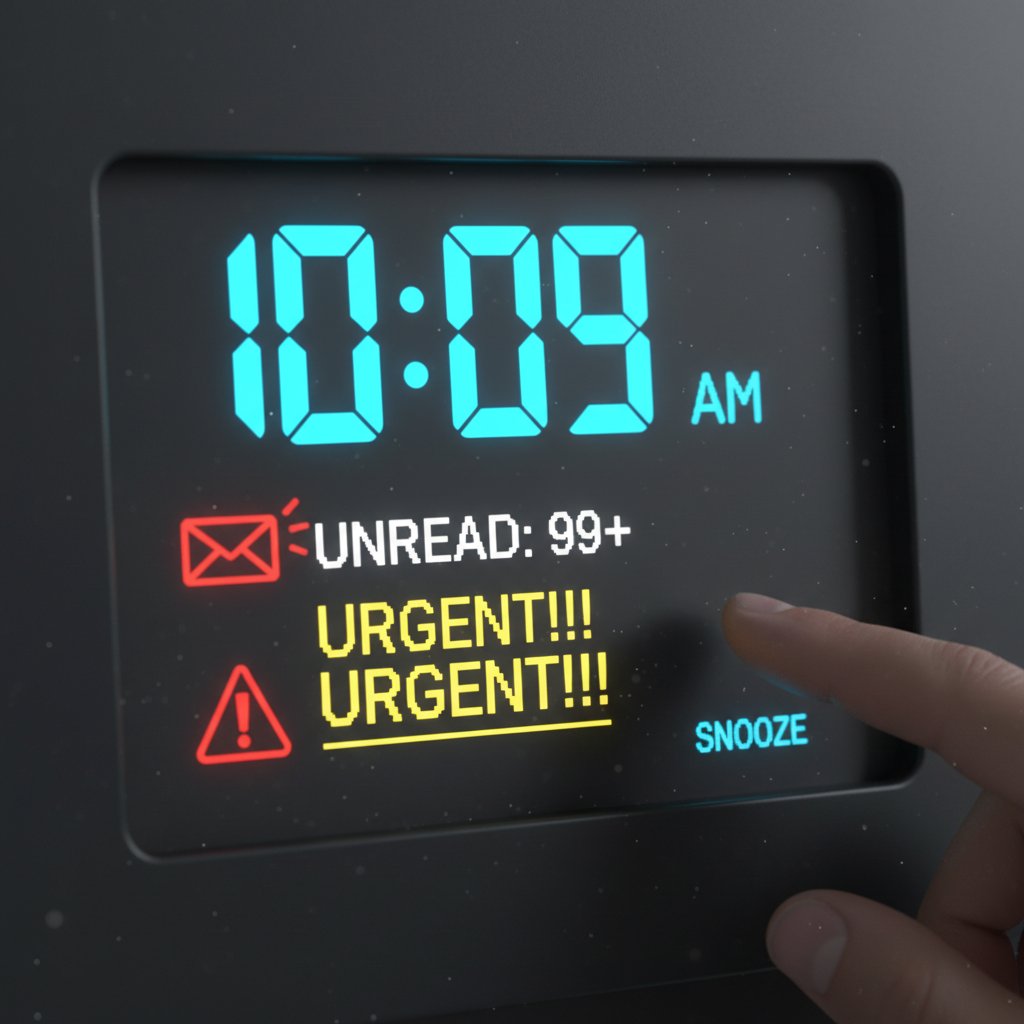
The stakes for missing the mark are higher than ever. Customers expect brands to use their data responsibly—to anticipate needs without becoming intrusive, and to know when to pass the mic to a human when nuance is required.
The real-world impact of bad follow-up: stories from the field
It’s easy to get seduced by the promise of “set-and-forget” automation, but the real world is messier than any sales pitch. In retail, a fashion brand’s bot that failed to recognize a repeat shopper’s past order led to a lost upsell opportunity and a public vent on social media. In SaaS, a payment reminder bot sent messages at 3 a.m.—thanks to poor timezone handling—sparking a wave of angry support tickets instead of conversions.
According to industry sources, the top reasons for customer ghosting aren’t just disinterest, but disappointment, overwhelm, and the chilling effect of tone-deaf automation. Lack of empathy, failure to acknowledge life events (like a bereavement or job loss), and rigid scripts are as damaging as radio silence.
"Automation can amplify your mistakes—or your empathy." — Ravi
When a chatbot is outdated, untrained, or unintegrated with CRM data, every automated message is a potential landmine. The harsh truth: brands who treat automation as a shortcut to engagement end up amplifying their blind spots, not their strengths.
What chatbot customer follow-up automation actually is (and isn’t)
Beyond buzzwords: a technical breakdown of chatbot follow-up workflows
Peel back the layers of jargon, and chatbot customer follow-up automation is a blend of triggers, intent recognition, workflow logic, and omnichannel message delivery—powered by large language models (LLMs) and hooked into real-time customer data. The goal isn’t to replace humans, but to handle the grunt work with speed, context, and (when done right) a touch of humanity.
| Feature | Chatbot Follow-up Automation | Traditional Methods | Speed | Personalization | Scalability | Cost |
|---|---|---|---|---|---|---|
| Response Time | Instant (24/7) | Delayed (business hours) | High | Variable | High | Low-medium |
| Personalization | Dynamic via CRM integration | Manual, inconsistent | Medium | Low | Limited | High |
| Multichannel Support | Yes (SMS, WhatsApp, Email) | Often siloed | High | Medium-high | High | Medium |
| Compliance Automation | Built-in opt-in tracking | Manual recordkeeping | High | Low | Low | High |
Table 2: Feature matrix comparing chatbot follow-up automation to traditional customer engagement methods.
Source: Original analysis based on Zendesk, Crescendo.ai, ProProfsChat, and Lindy.ai.
Automated chatbots can deliver nuanced, context-aware responses at scale, provided they’re fed with up-to-date training data and integrated with the right CRM systems. But without continuous improvement, bots quickly become relics—stuck in the uncanny valley between “almost helpful” and “why am I even talking to this thing?”
Debunking the biggest myths about follow-up automation
There’s a persistent myth that automation means “hands off, problem solved.” In reality, poor automation can be worse than none at all—alienating customers, violating privacy, or simply failing to respond to urgent needs. Here’s what to watch for:
- Red flags to watch out for when automating follow-ups:
- Overreliance on static scripts without ongoing training or improvement.
- Failure to provide seamless handoff to a human agent when needed.
- Lack of true personalization—treating every customer like a ticket number.
- Ignoring key compliance requirements (GDPR, TCPA).
- Inability to handle multi-channel follow-up (e.g., only email, no SMS or chat).
- Poor integration with CRM or sales tools, leading to contextless conversations.
The bottom line: a chatbot that can’t adapt, remember, or empathize is a liability, not an asset.
Definition list: chatbot automation jargon explained
The event or condition that initiates a follow-up (for example, an abandoned cart, a missed appointment, or a specific customer query). Triggers can be time-based, behavior-based, or manually set by agents.
The process by which a bot uses natural language processing to determine what the customer actually wants or needs, enabling contextually relevant responses. For example, recognizing a complaint versus a question about shipping.
An automated series of messages delivered over time to nurture leads or keep customers engaged. In chatbot automation, this often means combining SMS, email, and in-app messaging to maximize reach and relevance.
Understanding this vocabulary is key to navigating the world of AI-driven engagement without falling victim to buzzword fatigue.
The rise and risks of automated follow-up: who’s winning and who’s failing?
Case study: retail brands that nailed the human-bot blend
Some retail brands have stopped treating chatbots as mere ticket-takers and started using them as full-fledged customer concierges. By integrating bots with CRM and loyalty data, these companies send hyper-personalized follow-ups after purchases, remind customers of abandoned carts at just the right moment, and escalate to human support when a sensitive issue arises.
According to Crescendo.ai, 2024, brands using this approach see up to a 25% improvement in abandoned cart recovery and significant boosts in lifetime value.

Human-bot synergy isn’t just a tech upgrade—it’s a strategic shift that puts customer experience at the center, not at the mercy of a script.
When automation goes wrong: cautionary tales from finance and healthcare
The stakes for getting it wrong are higher in high-trust sectors like finance and healthcare. In one notorious case, a financial services bot sent loan denial messages riddled with insensitive language, sparking a PR backlash and regulatory inquiry. In healthcare, patients received appointment reminders for the wrong person—violating privacy and eroding confidence in the provider.
"One wrong message, and you lose trust for good." — Leah

According to expert analysis, these failures often stem from neglected bot training, lack of compliance monitoring, or siloed data—proof that automation amplifies both your best and worst processes.
The hidden costs of bad automation nobody talks about
Botched automation isn’t just embarrassing—it’s expensive. According to data from Zendesk, 2025, poor follow-up automation can increase customer churn by up to 15%, while satisfaction scores drop sharply after a single negative bot interaction.
| Metric | Pre-Automation (2024) | Post-Automation (2025, Poorly Implemented) | Post-Automation (2025, Well-Implemented) |
|---|---|---|---|
| Customer Churn Rate | 18% | 21% | 12% |
| Satisfaction Score (out of 10) | 7.3 | 5.5 | 8.9 |
Table 3: Statistical summary of churn and satisfaction before and after chatbot follow-up automation deployment.
Source: Original analysis based on Zendesk, 2025 and ProProfsChat.
Cut corners on automation, and you’re not just leaving money on the table—you’re setting it on fire.
Controversies and debates: is chatbot follow-up killing the human touch?
The human touch paradox: can bots build real loyalty?
There’s a deep-seated fear that automating follow-up means sacrificing genuine relationship-building. But the data tells a more nuanced story. Bots that are trained to recognize emotion, escalate when necessary, and follow up with relevant, empathetic messages can actually deepen loyalty—especially when customers prefer self-service.

Still, even the most sophisticated chatbot can’t replace the steady hand of a human in moments of crisis or high-value negotiation. The paradox: the best bot is the one that knows when to step aside.
Delivering real loyalty in 2025 is about blending efficiency and empathy, leveraging automation to handle the routine and reserving humans for the moments that matter.
Contrarian view: when NOT to automate your customer follow-up
Not every touchpoint should be automated. High-stakes conversations, sensitive feedback, and complex negotiations are better left to humans with judgment and authority. Brands that try to automate everything risk alienating their best customers.
- Unconventional uses for chatbot customer follow-up automation:
- Using bots to triage customer issues before routing to an expert human advisor.
- Initiating proactive check-ins after major life events or purchases, then escalating if needed.
- Automating only initial outreach, but requiring human follow-up for high-value deals.
- Gathering candid customer feedback anonymously before involving account managers.
- Reminding customers of upcoming renewals, but scheduling calls with real people for final terms.
Balance isn’t just a buzzword; it’s a survival strategy in the era of AI-driven customer experience.
Privacy, consent, and the ethics of automated engagement
Automation at scale raises thorny ethical questions. Are your bots collecting data transparently? Do customers know when they’re talking to AI? Are opt-ins and consent tracked in line with GDPR and TCPA regulations? Ignoring these questions isn’t just risky—it’s a recipe for regulatory disaster.
According to research from Forethought.ai, many brands underestimate the compliance burden, leading to accidental violations and customer backlash. A well-intentioned chatbot can quickly turn into a digital privacy adversary if consent and transparency aren’t built in from the ground up.
"Automation without consent is just surveillance by another name." — Ravi
In 2025, trust is earned by making privacy a core feature, not an afterthought.
How to actually win: step-by-step guide to mastering chatbot customer follow-up automation
Diagnosing your current follow-up workflows
Before you overhaul your tech stack or sign up for the latest AI platform, it’s crucial to audit your existing follow-up processes. Are leads slipping through the cracks? Are customers complaining about repetitive or irrelevant messages? Is your CRM data powering personalization, or gathering dust?
- Priority checklist for chatbot customer follow-up automation implementation:
- Map all customer touchpoints and identify current follow-up gaps.
- Audit existing messaging for relevance, tone, and compliance.
- Gather feedback from both customers and frontline agents.
- Integrate CRM and sales tools for real-time context.
- Build escalation paths for human intervention at critical junctures.
- Set up multi-channel workflows (SMS, WhatsApp, Email, in-app).
- Ensure compliance tracking (consent, opt-out, privacy).
- Monitor and refine bot performance through continuous learning.
Regular diagnosis is the difference between automation that delights and automation that destroys.
A thoughtful audit doesn’t just surface problems—it reveals opportunities to build smarter, more humane follow-up flows that convert without creeping people out.
Building a frictionless follow-up experience
Winning with chatbot automation means delivering an experience so seamless the customer forgets there’s a bot involved. That requires a sophisticated blend of instant responses, contextual memory, and frictionless handoffs. The best systems use behavioral data to optimize timing, so every nudge lands at the perfect moment.

Integrating AI chatbots into existing workflows (like those offered by botsquad.ai) isn’t a matter of plug-and-play. It demands alignment across teams, from marketing to compliance, and a relentless focus on continuous improvement.
A frictionless follow-up isn’t just efficient—it’s invisible, contextual, and above all, respectful of the customer’s time and privacy.
Testing, optimizing, and learning from real data
No automation setup is “done.” Top-performing brands iterate constantly—A/B testing message timing, tone, and channel. They monitor conversion rates, track response times, and use analytics to surface hidden churn risks. The most dangerous phrase in automation is “set it and forget it.”
According to recent benchmarks, brands using continuous optimization see response times cut in half and conversion rates climb by double digits.
| Follow-up Type | Average Conversion Rate (%) | Average Response Time (minutes) |
|---|---|---|
| Manual (Pre-automation) | 12 | 190 |
| Chatbot Automated (2025) | 26 | 12 |
Table 4: Conversion rates and response times—manual vs. chatbot follow-up (2025 industry benchmarks).
Source: Original analysis based on Zendesk, 2025 and Crescendo.ai, 2024.
Learning from real data is the only way to keep your automation sharp, adaptive, and credible.
Botsquad.ai and the new wave: choosing the right chatbot platform for your business
What to look for in a next-gen chatbot follow-up solution
Not all chatbot platforms are created equal. The difference between a bot that annoys and a bot that converts is in the details.
- Step-by-step guide to evaluating chatbot customer follow-up automation platforms:
- Define your business goals and success metrics.
- Assess multi-channel capabilities: SMS, WhatsApp, Email, in-app.
- Evaluate CRM and workflow integration.
- Check for robust compliance features (GDPR, TCPA, opt-in tracking).
- Review language support and AI training customization.
- Test escalation paths to human agents.
- Insist on analytics dashboards for continuous optimization.
A platform that checks these boxes is positioned to deliver growth—not headaches.
The best solutions don’t just automate—they empower your team to listen, learn, and iterate at scale.
Why a dynamic AI chatbot ecosystem matters in 2025
A static chatbot is a relic. The new wave of customer follow-up demands dynamic, specialized bots that adapt to changing expectations and business needs. Platforms like botsquad.ai are building ecosystems where expert AI assistants support productivity, lifestyle, and professional growth—all while learning continuously from user interactions.
No single bot can handle the full complexity of modern engagement. Ecosystems matter because they let businesses deploy the right expert, at the right time, for every customer touchpoint.

The future belongs to brands that treat automation as a living, breathing system—not a quick fix.
Where botsquad.ai fits into the automation landscape
In the crowded market of AI follow-up tools, botsquad.ai stands out as a trusted partner for businesses seeking not just efficiency, but genuine customer connection. By leveraging large language models, integrating with existing workflows, and prioritizing continuous improvement and compliance, botsquad.ai offers brands a platform built for today’s complex realities.
Rather than promising one-size-fits-all magic, botsquad.ai empowers users to craft tailored, dynamic experiences that evolve with their customers. It’s not just about algorithms and scripts—it’s about building relationships, one conversation at a time.
"The best platforms don’t just automate—they help you listen." — Tina
For brands ready to move beyond surface-level automation, the right ecosystem is the difference between being heard—and being forgotten.
Future-proofing your customer relationships: trends and predictions for chatbot follow-up automation
What’s next: the rise of emotional AI and hyper-personalization
The next frontier in customer follow-up isn’t just faster replies or more channels—it’s bots that recognize emotion, adapt tone, and deliver hyper-personalized experiences at scale. Emotional AI analyzes not just what is said, but how it’s said, surfacing frustration or delight and adjusting responses in real time.
According to industry analysis, brands embracing emotional AI see significant increases in customer retention and satisfaction, as bots can intervene before small issues spiral into full-blown crises.

This isn’t sci-fi—it’s the new baseline for brands that want to compete in the attention economy.
Cross-industry innovations: surprising sectors using chatbot automation
While retail and SaaS get the headlines, chatbot follow-up automation is quietly transforming sectors you wouldn’t expect. According to Lindy.ai, 2024, industries leveraging this tech include:
- Insurance companies automating claim updates and follow-ups.
- Utilities providing proactive outage notifications and customer support.
- Education platforms personalizing student reminders and feedback.
- Logistics firms offering real-time shipment updates via chat.
- Non-profits maintaining donor engagement through automated messaging.
- Real estate agencies nurturing leads with 24/7 chat assistants.
These “unexpected” industries prove that with the right blend of automation and empathy, any organization can master follow-up at scale.
Timeline: evolution of chatbot customer follow-up automation
The path to today’s AI-driven follow-up is paved with pivotal moments:
- 2010: First-generation support bots (scripted FAQs) go mainstream.
- 2013: Early CRM-integrated chatbots launch.
- 2015: Rise of multi-channel messaging (email, SMS).
- 2017: NLP-powered bots debut, recognizing intent.
- 2019: GDPR/TCPA compliance becomes a must-have.
- 2021: AI chatbots break into retail and hospitality.
- 2022: Emotional AI pilots launched in healthcare and finance.
- 2023: Omnichannel follow-up becomes standard.
- 2024: Large language model bots dominate enterprise follow-up.
- 2025: Ecosystem platforms (like botsquad.ai) redefine automation as adaptive, continuous, and collaborative.
Each milestone marks a shift toward smarter, more human-centric engagement—rooted in research and driven by real-world needs.
Critical takeaways: what every brand must remember in 2025
The new rules of customer follow-up
Automation is no longer a “nice-to-have”—it’s table stakes. But not all automation is created equal.
- Non-negotiable truths about chatbot customer follow-up automation:
- Personalization isn’t optional; it’s the expectation.
- Bots must know when to hand off to a human, seamlessly.
- Compliance is not a box to tick—violations can kill trust instantly.
- Multi-channel follow-up is the new normal.
- Continuous training and improvement are mandatory.
- CRM integration is the backbone of meaningful engagement.
- Emotional intelligence (even in bots) drives loyalty.
- Abandon “set-and-forget”—iterate constantly, or fall behind.
Automation done right is invisible, effective, and respectful of the customer’s time and privacy.
Avoiding the biggest mistakes: lessons from failed automation
For every success story, there are dozens of cautionary tales—brands that over-automated, neglected compliance, or treated customers as numbers rather than humans. The result? Lost revenue, damaged reputations, and churn that no amount of retargeting can fix.

Brands that fail to learn from these mistakes are doomed to repeat them. The antidote? Relentless focus on empathy, context, and continuous improvement.
The bottom line: the best automation is the kind your customers barely notice—because it simply works.
Final reflection: is automation the end—or a new beginning?
The question isn’t whether chatbot customer follow-up automation is the future—it’s whether your brand is ready to wield it responsibly. Automation is a mirror: it amplifies your values, your blind spots, and your willingness to listen. Treat it as an escape from empathy, and you’ll be left with cold, transactional relationships. Use it to amplify understanding and context, and you’ll build loyalty that outlasts any trend.
"Automation isn’t an escape from empathy. It’s a test of it." — Leah
In the end, the brands that win in 2025 are those bold enough to face the brutal truths, smart enough to adapt, and humble enough to keep learning—even when the bots are doing the talking.
Sources
References cited in this article
- Crescendo.ai: Best Retail Chatbots(crescendo.ai)
- Zendesk: AI Chatbot for Sales(zendesk.com)
- ProProfsChat: Chatbot Statistics(proprofschat.com)
- Forethought: Why Are Some Chatbots Still So Bad?(forethought.ai)
- Lindy.ai: Best Customer Service Chatbots(lindy.ai)
- Mentor Pods(mentorpods.com)
- Sixteen Ventures(sixteenventures.com)
- Kadence/Harvard Business Review(kadence.com)
- Rocketlane(rocketlane.com)
- Forbes: The Hidden Impact Of The Attention Economy(forbes.com)
- QEIICentre: The Distracted Economy Report(qeiicentre.london)
- NPR Impact Journalism 2024(npr.org)
- CRN: Biggest News Stories of 2024(crn.com)
- Wati.io: AI Chatbot Explained(wati.io)
- SocialIntents: Chatbot Automation(socialintents.com)
- Forbes: Hyper-Automation Myths(forbes.com)
- Smart Machines & Factories(smartmachinesandfactories.co.uk)
- Workato: 2024 Work Automation and AI Index(workato.com)
- Forbes: Top Automation Challenges for 2024(forbes.com)
- Webopedia: 16 Biggest AI Fails(webopedia.com)
- CIO: Famous AI Disasters(cio.com)
- Medium: 13 AI Disasters of 2024(medium.com)
- Washington Post: Character.ai Lawsuit(washingtonpost.com)
- ScienceDaily: Human Touch in Chatbots(sciencedaily.com)
- Chatbot.com: Future of Chatbots(chatbot.com)
- Balto.ai(balto.ai)
- MetaDialog: Generative AI Chatbot(metadialog.com)
- Wiley: Robot-Human Paradox(onlinelibrary.wiley.com)
- Chaindesk: 2024 Guide(chaindesk.ai)
- Alltius: Chatbot Automation(alltius.ai)
- GetMagical: Workflow Automation 2024(getmagical.com)
- Pipefy: Improve Workflows(pipefy.com)
- TTEC Digital: Frictionless Experience(ttecdigital.com)
- Commbox: Frictionless Customer Experience(commbox.io)
- Botsquad: About(botsquad.com)
- Yellow.ai: Best AI Chatbot Platforms(yellow.ai)
- Forbes: Top AI Chatbots 2024(forbes.com)
- Medium: Next-gen AI Chatbots(medium.com)
- Click4Assistance: AI Chatbot Evolution(click4assistance.co.uk)
Transform Your Life With Expert AI Assistants
Botsquad.ai provides a comprehensive platform where specialized expert chatbots leverage powerful Large Language Models (LLMs) to deliver tailored support for productivity, lifestyle, and professional needs. Whether you're aiming to streamline your daily tasks, seeking expert advice, or striving to elevate your professional performance, Botsquad.ai has a chatbot specifically designed to meet your unique needs. With our intuitive interface, continuous learning capabilities, and seamless integration with your existing workflows, Botsquad.ai empowers users to achieve more, effortlessly.
Get startedReady to Work Smarter?
Join thousands boosting productivity with expert AI assistants
Frequently Asked Questions
What improvement in abandoned cart recovery can chatbots provide?
According to Zendesk 2024 data cited in the article, chatbots can improve abandoned cart recovery rates by 7-25%, demonstrating the critical financial impact of timely and relevant follow-up.
How has the dominant follow-up method changed from 2015 to 2024?
The article's timeline shows a shift from manual email and phone methods (85% adoption in 2015) to AI chatbot automation (60% adoption in 2024), with intermediate stages including basic automated email and multichannel automation.
What is the main problem with how most brands currently handle customer follow-ups?
The article states that most brands treat follow-up as a numbers game, firing off templated messages, which causes them to hemorrhage leads and goodwill. Brands either under-automate or automate in the wrong ways, missing opportunities despite the availability of chatbot technology.
Why is customer follow-up described as critical in the current attention economy?
According to the article, customer attention is currency, and the cost of a missed follow-up is measured in lost revenue and eroded trust. Timely, relevant follow-up is essential for maintaining customer loyalty and financial performance.
From the Archive
Explore more from Expert AI Chatbot Platform

Chatbot Customer Engagement Strategies: What Works and What Fails

Chatbot Customer Communication: the Trust and Bias Challenge

Chatbot Customer Loyalty Is Broken — Here’s What Actually Works

Chatbot Customer Lifecycle: Why Automation Alone Fails

Why Most Chatbot Messaging Strategies Fail