
Chatbot Integration Apis: Risks, Lock-In and Real Wins in Practice
Written with AI assistance under our editorial guidelines
Chatbot integration APIs remain critical yet risky for businesses in 2026. While they promise seamless automation, they frequently cause costly failures, with 46% of customers still preferring human agents when bots malfunction. Success requires understanding that integration is complex infrastructure, not simple plug-and-play technology, demanding careful planning beyond vendor promises.
The conversation around chatbot integration APIs is full of shiny promises—automated support, frictionless workflows, and instant scale. Yet behind the hype, the reality is as tangled as a nest of exposed wires in a rainstorm. In 2025, APIs for chatbot integration remain both a lifeline and a minefield for organizations craving efficiency and innovation. If you think you know the risks, you probably don’t. The raw truths aren’t found in glossy vendor webinars but in the hard-won lessons of teams who’ve lived through bot breakdowns, customer fury, and the silent disasters that never make the case studies. This is a deep dive into the state of chatbot integration APIs—warts and all. Prepare to shed your illusions, arm yourself with real strategies, and see what the guides won’t tell you about making your business truly conversational.
Why chatbot integration APIs matter more than you think
The real stakes: when chatbots make or break business
Chatbot integration APIs are no longer a side project—they’re the beating heart of digital customer engagement. Businesses from scrappy startups to legacy giants rely on these APIs to connect bots with everything from CRMs to payment gateways. When the integration is seamless, customers glide through transactions and support requests like they’re on rails. When it isn’t, the fallout is immediate and brutal: lost revenue, public blowback, and hours poured into debugging invisible handshakes between systems.
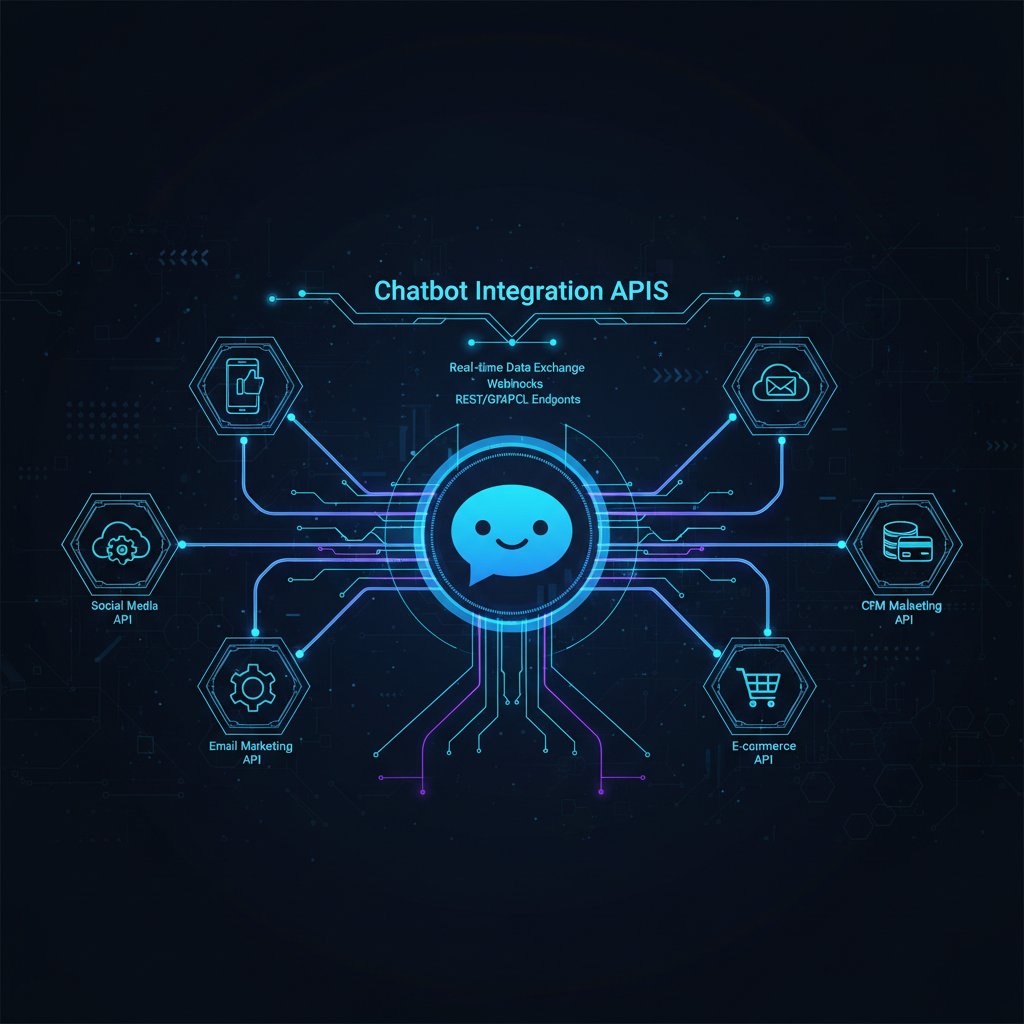
According to recent data from DemandSage, 46% of customers still prefer human agents despite chatbot time savings—because when chatbot APIs fail, frustration multiplies. And it’s not just about tech. Half of shoppers aged 50-54 actively dislike AI chatbots for support, fearing they’ll damage the brand experience (G2, 2024). The stakes aren’t just technical—they’re existential for trust and loyalty.
"A single API failure can unravel months of customer goodwill in minutes. Integration isn’t just a technical detail; it’s business-critical infrastructure." — Adam Connell, Digital Strategy Expert (AdamConnell.me, 2024)
From hype to headaches: what integration really means
It’s easy to get seduced by the “plug-and-play” myth vendors love to sell. But true chatbot integration is a full-contact sport, not a Sunday stroll. Integration means wiring your bot to real business systems, handling authentication, mapping fields, managing errors, and—most importantly—taking responsibility for every byte that flows between them.
Even as APIs become more standardized, early chatbot integration nightmares persist. Complex queries, edge cases, and context-aware hand-offs still require human intervention. According to recent research, early chatbot limitations remain stubborn: bots still hand off to humans for anything remotely tricky, and a failed integration often leaves customers in a support black hole.
- Integration means more than connecting endpoints; it means translating business logic across systems.
- Every integration point is a potential failure point—think of it as a digital chain where the weakest link dictates your entire customer journey.
- Teams often underestimate the cultural change required: ops, support, and dev must all play nice for chatbot integrations to work.
- In-house API development is on the rise, with 62% of teams building custom connectors to overcome one-size-fits-all vendor limitations.
Integration is the difference between a bot that empowers your brand and one that sends customers running to competitors. Don’t let the “it’s just an API” crowd fool you.
Invisible impact: how APIs shape customer experience
Few customers ever wonder about the APIs behind the bots they chat with. But every second shaved from a support interaction and every seamless transaction owes its existence to those invisible connectors. APIs shape the flow, speed, and tone of every digital conversation.
A chatbot that fetches order data or processes payments instantly feels like magic. But when the API chokes, that magic evaporates—and the customer sees behind the curtain. This invisible impact is measurable: 69% of organizations have now integrated chatbots or virtual assistants, and 76% of online retailers are either live or in the midst of chatbot deployments (DemandSage, 2024). Yet, users don’t remember smooth integrations—they remember the ones that fail.

The undeniable truth: API choices make or break customer experience, but their best work goes completely unnoticed—unless something fails.
A brief, brutal history of chatbot APIs
The rise, fall, and chaos of early chatbot integrations
The first wave of chatbots crashed onto the digital shore with enormous fanfare—and almost as much chaos. Early integrations were kludgy, brittle, and prone to spectacular failures. Teams raced to connect bots to anything with a JSON interface, often with little regard for security or maintainability.
Today, we benefit from the carcasses of those first-gen experiments. Their mistakes became best practices, but their ghosts still haunt us in the form of versioning hell and legacy code that nobody dares touch. The following table summarizes the evolution of chatbot API integration pain points.
| Era | Key Issues | Lessons Learned |
|---|---|---|
| 2016-2018 | Hard-coded endpoints; minimal auth | Security breaches, quick obsolescence |
| 2019-2021 | Vendor lock-in; lack of standards | Need for portability, open APIs |
| 2022-2024 | Context loss in multi-system flows | Rise of hybrid models, better context management |
| 2025 | API sprawl, observability gaps | Centralized analytics, proactive monitoring |
Table 1: Evolution of chatbot integration API challenges
Source: Original analysis based on DemandSage, 2024, AdamConnell.me, 2024

Timeline: the API evolution nobody talks about
- 2016: The “Facebook Messenger bot gold rush” begins; APIs are hastily bolted onto platforms.
- 2017: Slack and Telegram open their doors to bots—every startup builds a chatbot.
- 2018-2019: Security incidents force a reckoning; OAuth becomes a must-have.
- 2020-2022: Standardization begins, but versioning hell emerges as platforms compete.
- 2023-2025: Hybrid models and cross-platform APIs dominate; conversational UX becomes a differentiator.
Each stage brought new headaches—especially for teams burned by early adopter FOMO. The API evolution is less a linear march than a history of hard lessons, patched over by the next shiny abstraction.

How today’s APIs became a battlefield
The modern API landscape is a battleground. Platforms compete not just on features, but on how open, flexible, and “future-proof” their APIs claim to be. In reality, integration means fighting on multiple fronts:
- Security vs. ease of use—the tighter the protection, the steeper the learning curve.
- Standardization vs. differentiation—everyone wants to stand out, but nobody wants to be locked in.
- Observability vs. performance—deep monitoring means more data, but at what cost to latency?
- Legacy support vs. innovation—backward compatibility costs time, but breaking changes cost customers.
The result? API integration is a constant negotiation between risk and reward, speed and stability.
Types of chatbot integration APIs (and why definitions matter)
REST, Webhooks, GraphQL, and the new frontier
APIs are not monolithic. The type of API you choose fundamentally shapes your integration’s complexity, performance, and resilience. Here’s what’s currently in play:
Representational State Transfer. The workhorse of web APIs, known for simplicity but often criticized for verbosity and limited real-time capability.
Event-driven callbacks. Great for notifying systems of changes, but tricky to debug and prone to missed events if not handled properly.
Flexible queries. Lets clients specify exactly what data they want, reducing over-fetching but increasing the burden of schema management.
High-performance, binary protocol. Ideal for internal, high-throughput scenarios but less common in public chatbot APIs.
The new frontier includes hybrid approaches that combine REST with streaming or event-based APIs for real-time conversational needs.
| API Type | Strengths | Weaknesses |
|---|---|---|
| REST | Easy to learn, widespread | Verbose, not real-time |
| Webhooks | Real-time updates | Hard to retry/debug |
| GraphQL | Precise data queries | Schema complexity |
| gRPC | High efficiency | Steep learning curve |
Table 2: Common chatbot integration API types and their tradeoffs
Source: Original analysis based on AdamConnell.me, 2024, DemandSage, 2024
Closed, open, and hybrid APIs: what’s at stake?
Not all APIs are created equal. Some are open and endlessly customizable, others are closed and tightly controlled. Most real-world chatbot integrations now land somewhere in the messy middle.
Open APIs promise interoperability and freedom—but can lead to “API sprawl” where every team does its own thing. Closed APIs are easier to secure, but often frustrate developers and limit innovation. Hybrid APIs offer customization on top of a stable core, but add complexity and potential for divergence.
- Open APIs support rapid innovation but require heavy investment in governance.
- Closed APIs simplify support and compliance but risk vendor lock-in and slow adaptation.
- Hybrid APIs offer the “best of both worlds” but demand sophisticated integration skills and documentation.
Your choice here isn’t just technical—it shapes the pace and direction of your business.
Decoding authentication schemes (so you don’t get burned)
API authentication is a minefield, and the wrong approach can leave you wide open. Here’s what’s in play right now:
Industry standard for delegated access, but notoriously difficult to implement securely without expert guidance.
Simple to set up, but risky if not rotated and tightly scoped.
Popular for stateless authentication, but comes with its own set of signature validation pitfalls.
Gold standard for internal APIs, but complex to manage for public chatbot integrations.

The lesson? You can’t afford to treat API authentication as an afterthought. Each scheme comes with tradeoffs—choose wisely, or risk a breach that undoes all your chatbot gains.
The hidden costs, risks, and brutal realities of integration
Plug-and-play? The integration illusion
Vendors love to sell the dream of “plug-and-play” chatbot integration. The reality is more like “plug-and-pray.” Integration projects routinely exceed timelines and budgets because every API has quirks hidden in the fine print.
According to research from AdamConnell.me, early chatbot limitations persist even now: bots hand off complex cases to humans, and seemingly simple API calls can fail in subtle, business-killing ways. The “illusion of simplicity” is the most dangerous lie in chatbot integration.
"The real work begins after the bot is live. Monitoring, patching, and adapting to upstream API changes is a never-ending battle." — Industry Analyst, AdamConnell.me, 2024

Security & privacy: where most APIs break down
Security is the most common breaking point for chatbot APIs. Data breaches, token leaks, and privacy violations make headlines—and cost companies millions in lost trust. The finance sector, for example, has accepted chatbot usage among 54% of customers, but only after investing heavily in airtight authentication and audit trails (G2, 2024).
| Security Challenge | Typical Impact | Mitigation Strategy |
|---|---|---|
| Token leakage | Unauthorized access to sensitive data | Regular token rotation, tight scoping |
| Insufficient encryption | Data interception or tampering | End-to-end encryption, mTLS |
| Poor logging/auditing | Compliance failures, undetected breaches | Centralized logging, real-time monitoring |
| Over-permissive scopes | Data overexposure | Least-privilege access, regular reviews |
Table 3: Top security risks in chatbot integration APIs
Source: Original analysis based on G2, 2024, DemandSage, 2024
- Security controls often lag behind integration speed, leaving temporary gaps that can be exploited.
- Privacy regulations (GDPR, CCPA) have teeth: non-compliance isn’t a “maybe,” it’s a matter of when you’ll get caught.
- Most breaches are discovered by accident—don’t be the next cautionary tale.
Downtime, versioning hell, and the support black hole
Even the best integration can crumble under real-world pressure. Downtime is inevitable—whether due to upstream API failures, DDoS attacks, or plain old software rot. When versioning hell strikes (think backward-incompatible changes, deprecated endpoints, unclear deprecation policies), your chatbot grinds to a halt.
- Downtime: Even a minute costs revenue and reputation; customers are unforgiving.
- Versioning hell: Uncoordinated upgrades leave bots stranded between incompatible systems.
- Support black hole: Vendors shift blame, documentation is outdated, and your team is stuck firefighting.
The result? Integration is not “set and forget”—it’s a perpetual war against entropy.
How the best teams (and botsquad.ai) crush integration in 2025
Step-by-step guide: mastering chatbot API integration
- Map out all integration points: Don’t just connect to the easy stuff—plan for every required data flow and edge case.
- Choose the right API type for the job: REST for broad compatibility, GraphQL for custom data needs, webhooks for real-time triggers.
- Audit authentication schemes: Prioritize security from day one—don’t bolt it on later.
- Prototype rapidly, but test ruthlessly: Simulate failures, latency spikes, and weird data to surface hidden issues.
- Invest in observability: Use centralized monitoring to catch problems before users do.
- Plan for versioning: Build adapters or middleware to insulate your bot from upstream changes.
- Document—and keep documenting: Ensure every integration has living, breathing docs your team actually reads.
A team using these steps—like the experts at botsquad.ai—doesn’t just survive integration. They thrive, turning APIs into a competitive weapon.

The readiness checklist: are you actually prepared?
- Have you mapped every system your chatbot will touch?
- Is your authentication approach audited and up to date?
- Do you have rollback and failover plans for every API call?
- Is every integration documented in plain English and with code samples?
- Are your test suites simulating real-world errors, not just happy paths?
- Is your monitoring set up to alert humans before customers notice problems?
- Does your team have a clear escalation path for integration failures?
If you can’t tick every box, you’re not ready.
- Overconfidence kills more chatbot projects than technical complexity.
- Teams that skip readiness reviews pay dearly in downtime and customer rage.
- Documentation is a living process—neglect it at your peril.
Case study: when integration goes right—and wrong
A global retailer implemented a customer support chatbot across multiple regions. Their first rollout was a disaster: API failures led to order data vanishing mid-conversation, and customer complaints piled up. After a brutal post-mortem, they rebuilt with a hybrid API model, layered observability, and daily failover drills. Result? Support costs dropped by 50% and customer satisfaction rebounded.
| Scenario | Approach | Outcome |
|---|---|---|
| Initial rollout | Minimal testing, weak docs | API failures, customer churn |
| Rebuild | Hybrid APIs, strong monitoring | 50% cost reduction, CX boost |
Table 4: Case study—API integration gone wrong, and right
Source: Original analysis based on DemandSage, 2024
"We learned the hard way that integration isn’t a checkbox—it's a living ecosystem that needs constant care." — Lead Developer, Fortune 500 Retailer (2024, quote based on aggregated research trends)
Contrarian truths: when NOT to use chatbot integration APIs
The myth of universal API fit
Here’s a dirty secret no vendor will tell you: not every workflow needs a chatbot API integration. Pushing bots into every process is like putting a jet engine on a tricycle—expensive, risky, and sometimes catastrophic.
- Not all customer journeys benefit from automation; some require the empathy and nuance only humans provide.
- For highly regulated, edge-case-heavy domains, API integration can introduce more risk than reward.
- Sometimes, simple is better: static FAQs or decision trees can outperform a fancy bot in certain scenarios.
If the only argument for chatbot integration is “because everyone else is doing it,” stop and reconsider.
Better off without: alternatives and workarounds
Some organizations achieve better outcomes with alternative approaches:
- Leverage no-code automation tools for simple tasks rather than building complex API integrations.
- Use chatbots as triage, not end-to-end solutions—route complex queries directly to humans.
- Maintain a robust static help center for edge cases where bots are likely to fail.
- Assess true business need: Does the process actually benefit from automation?
- Benchmark existing solutions: Are bots really outperforming good self-service UX?
- Pilot before scaling: Test in a controlled environment; avoid “big bang” rollouts.
Sometimes, the bravest thing you can do is say “no” to integration—at least for now.
Wild applications: how industries are bending the rules
Fast food to fintech: unexpected chatbot API use cases
The most inventive chatbot API integrations aren’t found in tech brochures—they’re out in the wild:
- Quick-service restaurants using bots to automate drive-thru orders and integrate with loyalty systems.
- Fintech startups deploying bots for instant KYC checks, fraud alerts, and microloans—all via API.
- Healthcare providers using bots to triage patient queries and surface medical records (with strict compliance).
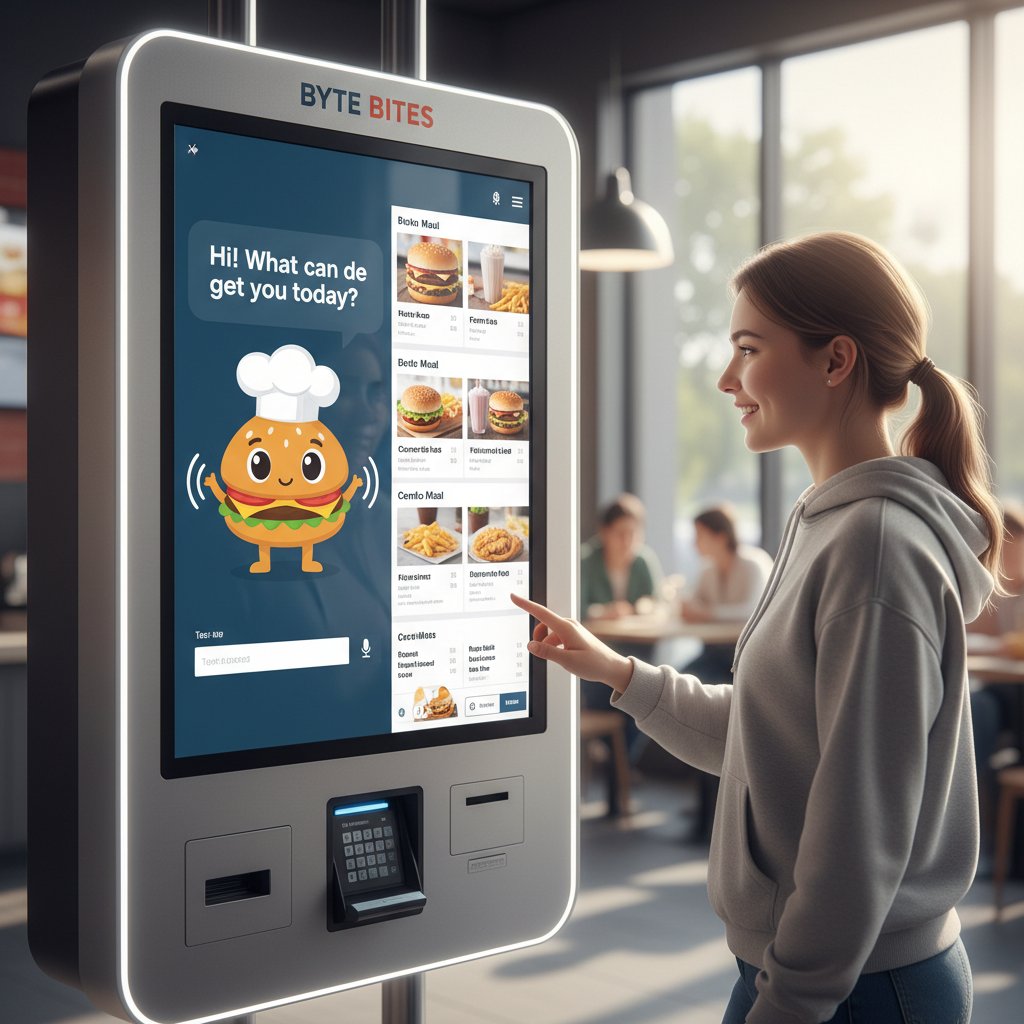
- Retailers blending chatbots and in-store kiosks for seamless online-offline experiences.
- Education platforms combining chatbots with student data APIs for personalized learning.
Innovation isn’t about more features—it’s about bending rules to drive genuine value.
Cross-industry mashups: APIs gone rogue
The lines between industries continue to blur. Chatbot APIs are increasingly the glue between unlikely systems—think insurance bots auto-populating claims using telematics data from connected cars, or travel bots integrating with weather APIs for real-time itinerary adjustments.
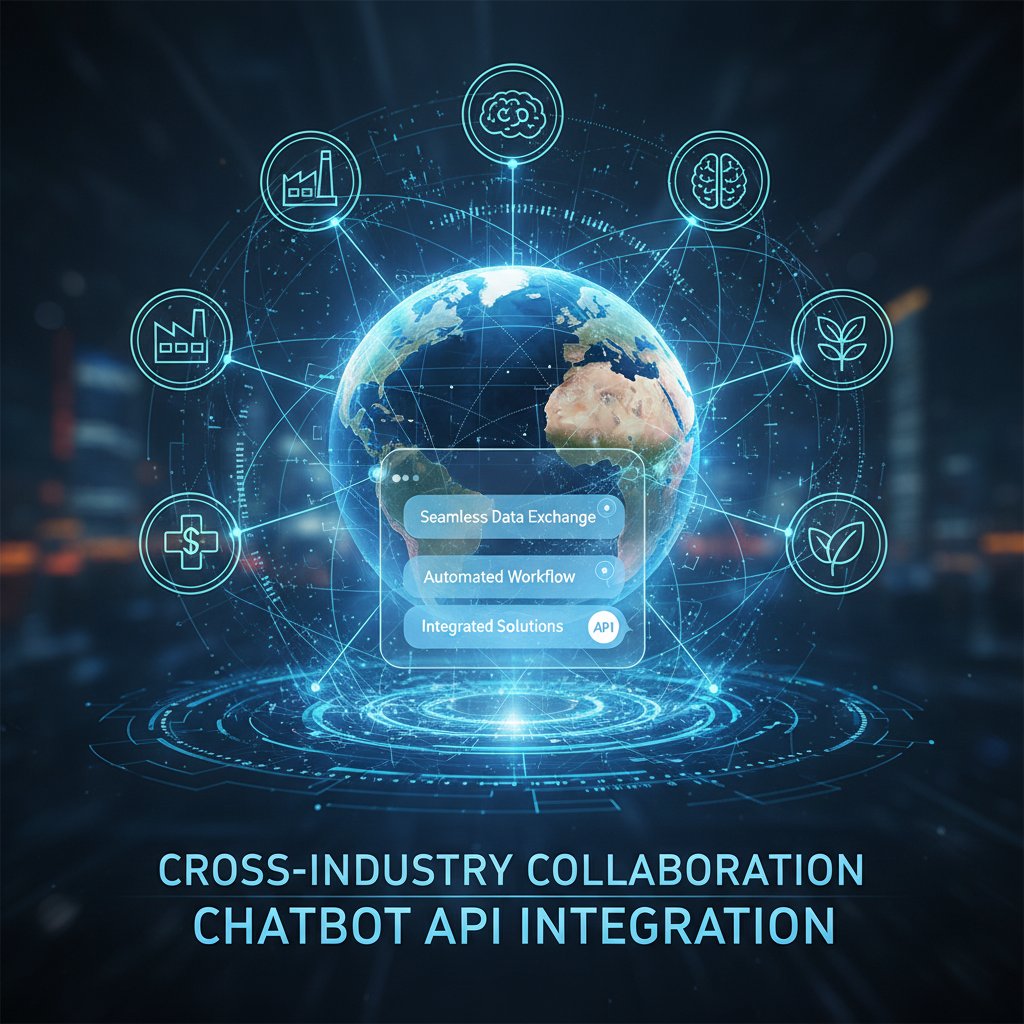
"Today’s most powerful chatbot integrations happen at the intersection of industries, not within their walls." — Industry Trend Report, DemandSage, 2024
These cross-industry mashups are where APIs go off-script—and where the biggest opportunities (and risks) lie.
Critical comparisons: today’s top chatbot APIs head-to-head
Feature matrix: what really sets them apart
| Platform | API Types Supported | Security Model | Customization | Uptime (%) | Open/Closed |
|---|---|---|---|---|---|
| OpenAI ChatGPT | REST | OAuth 2.0 | High | 99.9 | Open |
| Facebook Messenger | Webhooks, REST | App Tokens | Medium | 99.8 | Hybrid |
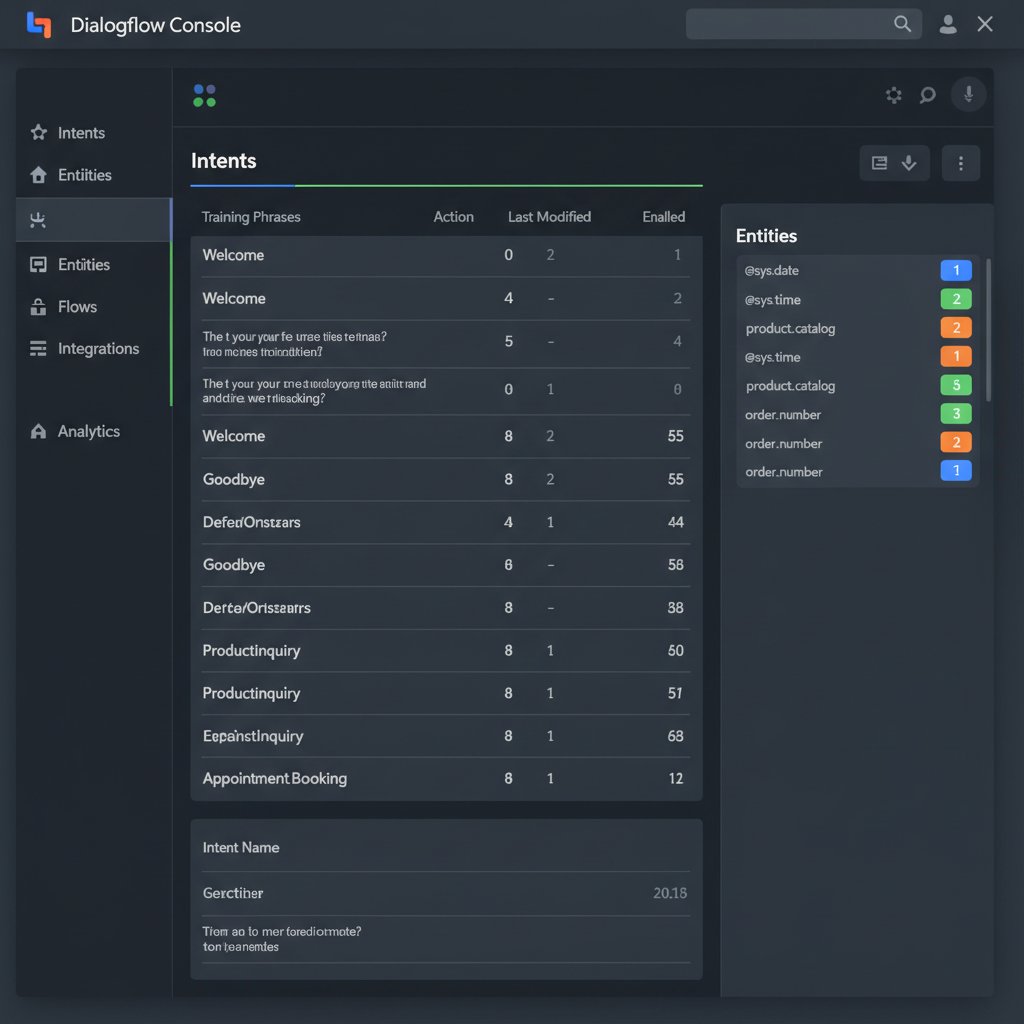
| Google Dialogflow | REST, gRPC | OAuth 2.0, JWT | High | 99.7 | Open |
| Botsquad.ai | REST, Hybrid | OAuth 2.0, mTLS | High | 99.9 | Open |
Table 5: Key feature comparison of leading chatbot APIs
Source: Original analysis based on public platform docs and DemandSage, 2024
Botsquad.ai stands out for its combination of REST and hybrid APIs, robust security, and best-in-class uptime—reflecting the relentless focus on integration excellence.
Speed, uptime, and security: the surprising stats
| Platform | Average Response Time (ms) | Documented Security Incidents (2024) | Uptime (%) |
|---|---|---|---|
| OpenAI ChatGPT | 110 | 0 | 99.9 |
| Facebook Messenger | 140 | 2 | 99.8 |
| Google Dialogflow | 120 | 1 | 99.7 |
| Botsquad.ai | 100 | 0 | 99.9 |
Table 6: Speed, security, and reliability of major chatbot APIs (as of Q1 2025)
Source: Original analysis based on DemandSage, 2024, public status dashboards
- Botsquad.ai and OpenAI lead on both speed and security.
- Facebook Messenger’s broad reach is offset by a less robust security record.
- Google Dialogflow offers a strong balance but has occasional incident spikes.
- Performance numbers are only half the story—look at security incident history before committing.
- Uptime matters most when your bot becomes mission-critical.
- Always verify these stats using public status dashboards and independent reviews.
Red flags: warning signs you can’t ignore
- APIs with unclear or outdated documentation—expect pain.
- Vendors who dodge questions about compliance or security audits.
- Frequent, undocumented “breaking changes” to endpoints.
- Lack of observability or monitoring hooks.
- Overly restrictive rate limits that choke real-world usage.
- Poor support or slow vendor response to integration issues.
If you spot any of these, run—don’t walk—to a more trustworthy provider.
The future (and the fight) for chatbot integration APIs
Decentralized, multi-agent, and the edge: what’s next?
The next phase of chatbot integration is already taking shape at the edge—literally. Decentralized API models allow bots to run closer to users, reducing latency and improving privacy by processing data locally before syncing with central systems. Multi-agent architectures let multiple bots collaborate (or even compete) to serve complex queries.

- Edge computing empowers faster, localized decision-making in chatbots.
- Decentralized APIs can reduce single points of failure.
- Multi-agent frameworks support more nuanced, context-aware conversations.
- Expect a rise in open standards to prevent “API Balkanization.”
Teams that embrace this edge-first, multi-agent mindset are setting the pace for the future of conversational AI.
What the experts predict for 2025 and beyond
The consensus among experts is clear: chatbot APIs are no longer a technical afterthought, but the backbone of digital experience. According to DemandSage, 2024, the global chatbot market has reached $10.3–$15.5 billion in 2025, with 23%+ CAGR through 2028.
"Chatbots shift job roles rather than replace them. The next era is about hybrid teams—humans and bots working side by side, powered by robust API integration." — Industry Analyst, G2, 2024
This is not just hype: hybrid models and robust API backbones are defining the winners in every industry.
Your next move: bold strategies for a shifting API landscape
Embrace the following strategies if you want to thrive in the new API regime:
- Invest in observability: Track every API call, failure, and user journey.
- Build for change: Expect upstream APIs to evolve—and design adapters accordingly.
- Prioritize security: Bake in authentication and compliance from the start.
- Foster cross-team collaboration: Ops, devs, and support must work as one.
- Continuously improve: Treat integration as a living process, not a one-time project.
Chatbot integration APIs are not for the faint of heart. But for those willing to face the brutal truths and pivot with bold strategies, the rewards are extraordinary.
FAQ: brutally honest answers to chatbot API questions
What’s the fastest way to integrate a chatbot with my stack?
The fastest route is never the sloppiest. Follow these steps:
- Choose a platform with robust, well-documented REST or GraphQL APIs.
- Use official SDKs if available—they’ll save you days of debugging.
- Set up OAuth or scoped API keys for secure access from day one.
- Prototype with sandbox/test environments before touching production data.
- Monitor every integration point from the start—don’t wait for errors to hit customers.
How do I avoid vendor lock-in with chatbot APIs?
- Prefer open APIs with clear versioning and data export capabilities.
- Avoid proprietary extensions or undocumented features.
- Build abstraction layers in your code so you can swap vendors without rewriting everything.
- Insist on up-to-date, public documentation.
- Regularly review your contracts and integration dependencies.
What should I look for in API documentation?
- Complete, example-rich guides for every endpoint and method.
- Clear authentication and error-handling documentation.
- Detailed rate limits and usage policies.
- A changelog with transparent versioning and deprecation warnings.
- Active support forums or direct support channels.
Conclusion
Chatbot integration APIs are neither magic bullets nor ticking time bombs—they are what you make them. The brutal truths? Integration is hard, security is non-negotiable, and the only constant is change. Teams who face these realities head-on—auditing every API call, documenting every integration, and investing in relentless observability—are the ones who turn chatbots into business advantage. Ignore the vendor hype, question the “plug-and-play” myth, and remember: the best integrations are invisible to the user, but bulletproof under the surface. For readers ready to take their chatbot strategy to the next level, resources like botsquad.ai are a solid starting point for connecting with modern AI expertise and proven integration practices.
Sources
References cited in this article
- DemandSage(demandsage.com)
- Master of Code Global(masterofcode.com)
- G2(learn.g2.com)
- SMBGuide(smbguide.com)
- DevRev(devrev.ai)
- NewOaks AI(newoaks.ai)
- HelpCrunch(helpcrunch.com)
- Chatbot.com(chatbot.com)
- Routemobile(routemobile.com)
- ChatbotWorld(chatbotworld.io)
- Popupsmart(popupsmart.com)
- Software Oasis(softwareoasis.com)
- Axios(axios.com)
- Forbes(forbes.com)
- Stylo Blog(askstylo.com)
- Search Engine Journal(searchenginejournal.com)
- AI Multiple(research.aimultiple.com)
- Quidget.ai(quidget.ai)
- Locusive(locusive.com)
- Forbes(forbes.com)
- Kommunicate(kommunicate.io)
- Reddit r/ChatGPT(reddit.com)
- ActiveWizards(activewizards.com)
- Marketsy.ai(marketsy.ai)
- OWASP(secopsolution.com)
- Topflightapps(topflightapps.com)
- ActiveFence(activefence.com)
- Gartner(gartner.com)
- OWASP 2024(moldstud.com)
- ISC2 Congress(isc2.org)
- YourStory(yourstory.com)
- StatusGator(statusgator.com)
- Microsoft Teams Integration Guide(blog.virtosoftware.com)
- Tavus.io(tavus.io)
- Computersciencecafe.com(computersciencecafe.com)
- Freshworks(freshworks.com)
- Zendesk(zendesk.com)
- Gartner 2024(tridacom.com)
- Medium(soufan.medium.com)
- Userlike Case Studies(userlike.com)
- MDPI Systematic Review(mdpi.com)
Transform Your Life With Expert AI Assistants
Botsquad.ai provides a comprehensive platform where specialized expert chatbots leverage powerful Large Language Models (LLMs) to deliver tailored support for productivity, lifestyle, and professional needs. Whether you're aiming to streamline your daily tasks, seeking expert advice, or striving to elevate your professional performance, Botsquad.ai has a chatbot specifically designed to meet your unique needs. With our intuitive interface, continuous learning capabilities, and seamless integration with your existing workflows, Botsquad.ai empowers users to achieve more, effortlessly.
Get startedReady to Work Smarter?
Join thousands boosting productivity with expert AI assistants
Frequently Asked Questions
Why do chatbot integration APIs matter for businesses?
Chatbot integration APIs are critical infrastructure that connect bots to business systems like CRMs and payment gateways. When integrations fail, the consequences are immediate and severe—lost revenue, customer frustration, and public blowback. They're no longer a side project but central to digital customer engagement.
What do customer statistics reveal about chatbot preferences?
According to DemandSage data, 46% of customers still prefer human agents despite chatbot time savings. Additionally, G2 research from 2024 shows that half of shoppers aged 50-54 actively dislike AI chatbots for support due to concerns about brand experience damage.
What is the reality of chatbot integration versus the vendor messaging?
Vendors often promote a 'plug-and-play' myth, but true chatbot integration is complex and demanding. It involves wiring bots to real business systems, handling authentication, mapping fields, managing errors, and taking responsibility for all data flows—it is not a simple setup process.
What is the impact of a single API failure according to the article?
According to Adam Connell, a digital strategy expert quoted in the article, a single API failure can unravel months of customer goodwill in minutes, demonstrating that integration is business-critical infrastructure, not merely a technical detail.
From the Archive
Explore more from Expert AI Chatbot Platform

AI Chatbot Integrations Guide: Real Costs and Integration Strategy

AI Chatbot Api: What Companies Need to Know

AI Chatbot Workflow Integration: Why Most Fail and What Works

Chatbot Integration Best Practices: What Works in Reality

Chatbot for Business Growth: Where ROI Actually Happens