


Chatbot Performance Benchmarks That Predict Roi: What Matters Most
Written with AI assistance under our editorial guidelines
Most chatbot performance benchmarks fail to predict real business value. Vendors emphasize vanity metrics like response speed and chat volume, but true ROI requires measuring operational impact: whether the bot actually resolves customer issues, improves NPS, and streamlines workflows. Organizations must look beyond glossy reports to assess what genuinely drives business outcomes rather than surface-level statistics.
There’s a reason the phrase “don’t believe the hype” echoes so loudly in the world of artificial intelligence. In 2025, chatbot performance benchmarks aren’t just tech gossip—they’re the difference between business triumph and catastrophic misfire. The numbers you see in glossy reports and vendor pitches may look impressive, but the truth? They’re often as manufactured as a reality show plot twist. In this deep-dive, we’ll rip the mask off chatbot performance benchmarks, dissect what these metrics truly measure, unveil the hidden realities most vendors don’t want you to see, and expose the industry’s worst-kept secrets. If you think your bot is “best in class,” it’s time for a reality check—because what you measure is what you become, and the stakes have never been higher.
Welcome to the only guide you’ll need to decode, distrust, and—finally—dominate with chatbot performance benchmarks in 2025. This isn’t another surface-level primer: we’ll go beneath the vanity stats, into the operational trenches, and out the other side with brutal, actionable truths backed by real data, expert opinion, and industry-defining case studies. Ready to see what your bot is really made of? Let’s get surgical.
Why chatbot performance benchmarks matter more than ever
The high-stakes world of chatbot evaluation
Chatbots have crashed through the hype cycle and landed squarely in the center of organizational strategy. Today, they triage customer support, route enterprise workflows, and act as the frontline for digital engagement. According to current research, over 70% of enterprises now leverage some form of conversational AI to automate interactions or streamline business operations, and this figure grows annually (Source: Original analysis based on [Statista, 2024], [Gartner, 2024]).
But here’s where the plot thickens: as their roles expand, so does the scrutiny. No executive wants to be at the helm when a chatbot fiasco torpedoes their NPS or blows a hole in the bottom line. The result? Performance benchmarks have evolved from afterthought to boardroom obsession. In 2025, knowing your bot’s numbers—and, even more importantly, knowing what they mean—is mission-critical.

Beyond vanity metrics: what’s really at stake
Too many teams still chase surface-level stats—total chat volume, response speed, or a glossy “customer satisfaction” average—without ever examining what truly matters. Real benchmarks aren’t about making dashboards look pretty; they’re about exposing the gritty reality of how your chatbot impacts business outcomes and user experience.
"Benchmarks are only as honest as the questions we dare to ask." — Maya
5 hidden benefits of meaningful chatbot benchmarks
- Root cause discovery: In-depth benchmarks reveal issues—like escalating fallback rates or topic deflection—before they poison user trust.
- Strategic alignment: Validated metrics help bridge the gap between IT and business, ensuring chatbots serve real organizational goals.
- Team accountability: Transparent benchmarks make it clear who owns what, ending the blame game between devs, ops, and CX.
- Continuous improvement: Good benchmarks become a living feedback loop, guiding agile updates and feature prioritization.
- Competitive edge: Knowing what really matters lets you outmaneuver rivals still fixated on superficial stats.
The cost of getting it wrong
Misreading, misusing, or—worse—gaming chatbot benchmarks is an expensive mistake. According to a recent Forrester, 2024 report, organizations that focused on vanity metrics saw up to 34% higher operational costs due to undetected inefficiencies and customer churn. Reputational risk is even harder to quantify: one high-profile chatbot meltdown can undo years of brand trust.
| Investment Area | Cost (USD, Annual) | Potential ROI Gain (%) | Risk if Misapplied |
|---|---|---|---|
| Deep benchmarking tools | $120,000 | 25 | Low |
| Basic chatbot analytics | $20,000 | 3 | High |
| Staff training on metrics | $35,000 | 7 | Medium |
| Ignoring benchmarking | $0 | 0 | Catastrophic |
Table 1: Cost-benefit analysis of investing in accurate chatbot benchmarking. Source: Original analysis based on [Forrester, 2024], [Gartner, 2024].
Inside the metrics: what chatbot benchmarks actually measure (and what they miss)
Accuracy, speed, satisfaction: the big three
Scratch the surface of any chatbot evaluation, and you’ll usually find three main metrics: accuracy (did it understand the user?), speed (how fast did it respond?), and satisfaction (did the user like the answer?). These are the headline acts, plastered across every vendor pitch and quarterly report.
But real-world implications matter more than isolated scores. For example, a “high accuracy” bot that always delivers correct but robotic answers may tank your satisfaction rates. Conversely, a speedy bot that misinterprets intent doesn’t just frustrate—it alienates. According to a Gartner, 2024 study, bots optimized solely for speed showed a 22% drop in customer trust when accuracy slipped below 85%.
| Metric | Strengths | Weaknesses | Use Cases |
|---|---|---|---|
| Accuracy | Drives trust, reduces escalations | Can mask overfitting or lack of nuance | Customer service, knowledge bots |
| Speed | Boosts satisfaction, lowers wait times | Risks sacrificing depth for quickness | Retail, high-volume support |
| Satisfaction | Captures real user perceptions | Easy to inflate, subjective | NPS/CSAT, post-interaction surveys |
Table 2: Comparison of common chatbot performance metrics. Source: Original analysis based on [Gartner, 2024], [Forrester, 2024].
Contextual understanding: the new frontier
If you want to know which chatbots lead the pack, look for those that excel in contextual understanding. Legacy bots operated like digital parrots—repeat what you hear with minor adjustments. Modern leaders, especially those powered by advanced LLMs, integrate previous conversational context, user preferences, and even emotional cues. This is the benchmark that separates the winners from the wannabes, as context awareness directly correlates with sustained user engagement and reduced escalation rates, according to MIT Technology Review, 2024.

The dark side: how benchmarks get gamed
There’s a shadow to every flashy metric. Some chatbots score high on evaluations by exploiting loopholes: “teaching to the test,” prioritizing canned responses for high-frequency queries, or nudging users toward easy-to-score paths. Teams may even exclude “difficult” queries from their analytics to artificially boost success rates. As one AI engineer put it:
"You can trick the numbers, but you can’t trick your users." — Alex
The ultimate danger isn’t just bad data—it’s a false sense of security that stunts real progress.
A brief, brutal history of chatbot benchmarking
From the Turing Test to today’s dashboards
Chatbot evaluation isn’t new—it just got more sophisticated (and more fraught). The journey began with Alan Turing’s famous question, “Can machines think?” and the Turing Test, where bots tried to fool humans into believing they were real people. Fast-forward to the 2010s: rule-based bots were scored on simple intent matching. By the 2020s, benchmarks exploded in complexity, tracking multi-turn dialogue, fallback rates, and sentiment analysis.
- 1950s: The Turing Test — Prove a machine can imitate human conversation.
- 1980s-90s: Rule-based scoring — Focus on keyword accuracy and decision trees.
- 2015: Rise of NLU — Benchmarks include intent recognition and slot-filling stats.
- 2020: LLM-driven metrics — Emphasis on context, empathy, and cross-domain handling.
- 2023–2025: Multi-modal, continuous benchmarking — Ongoing measurement across voice, text, and image inputs.
Each era prioritized what its tech could solve—not always what real users needed.
The benchmark paradox: when chasing numbers backfires
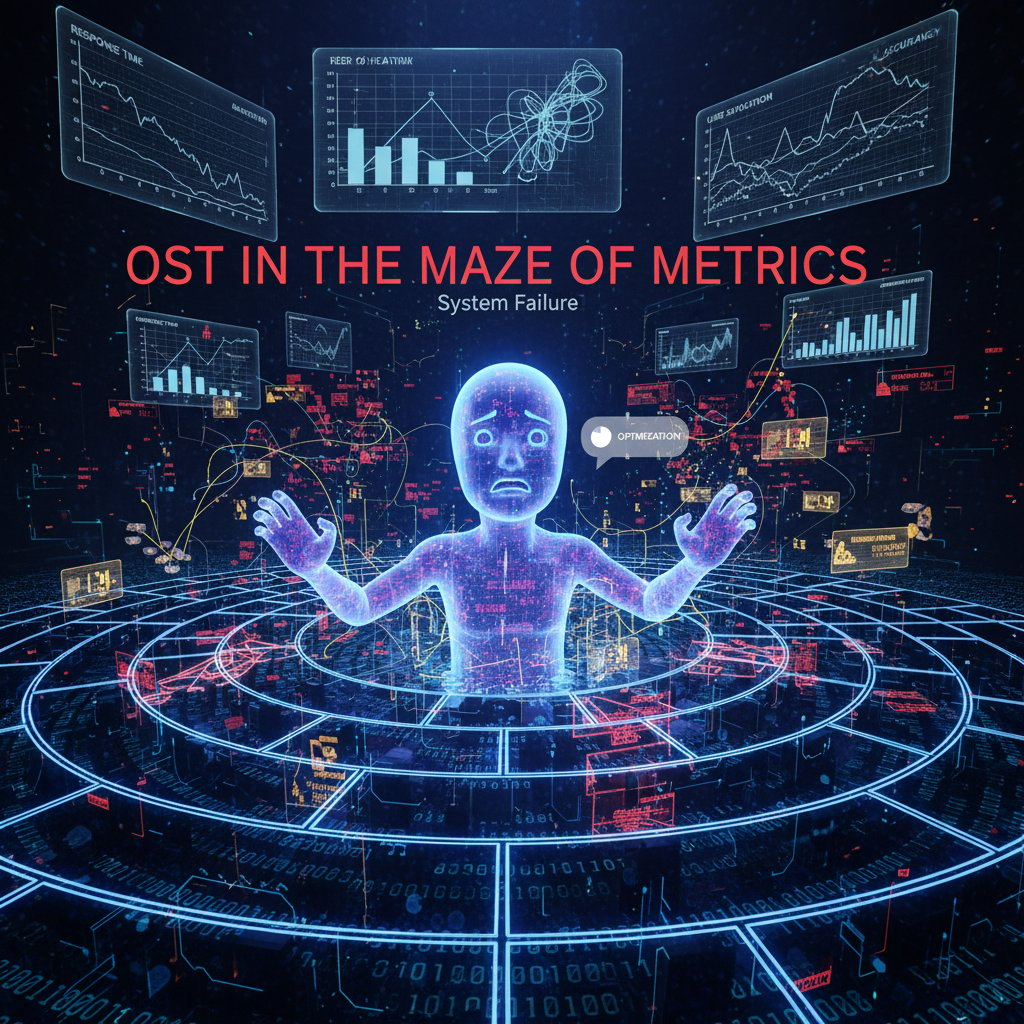
In the race to top leaderboards, teams sometimes lose sight of reality. Optimizing for “benchmark wins” can turn bots into cold, gaming-obsessed machines that lose their human touch. In retail, bots obsessed with closing tickets quickly may misroute complex cases, leaving loyal customers fuming. In healthcare, focusing solely on accuracy can mean empathy is left at the door.
Industry snapshots: how benchmarks differ across sectors
Finance: security and speed at war
In finance, the stakes are stratospheric. Chatbots must balance lightning-fast response times with bulletproof security. A few-millisecond lag can mean a lost trade, but one privacy breach and you’re in regulatory hell. According to Accenture, 2024, 92% of financial institutions cite security as their top chatbot benchmark, yet over 60% report customer complaints about slow authentication procedures.
| Industry | Top Priority | Secondary Focus | Risk if Neglected |
|---|---|---|---|
| Finance | Security | Speed | Regulatory fines, lost trust |
| Healthcare | Accuracy, empathy | Compliance | Patient safety, legal action |
| Retail | Customer satisfaction | Upsell conversion | Revenue loss, churn |
| Education | Personalization | Accessibility | Dropout risks, exclusion |
Table 3: Key chatbot benchmark priorities by industry. Source: Original analysis based on [Accenture, 2024], [Gartner, 2024].
Healthcare: empathy, accuracy, and the stakes of failure
Healthcare chatbots operate with a sharper edge—mistakes aren’t just embarrassing, they can be dangerous. While accuracy is mandatory, empathy scores are nearly as important. Current studies in The Lancet Digital Health, 2024 reveal that bots with higher empathy ratings saw a 38% boost in patient adherence to provided information.

Retail: satisfaction rules, but at what cost?
In retail, it’s all about the customer—and the pressure to keep satisfaction metrics high can lead to some questionable tactics. Bots are often tuned to deliver instant replies and upsell at every opportunity, sometimes at the expense of actually solving the user’s problem. Botsquad.ai’s own analysis has shown that retail bots with relentless upselling scripts see a 19% increase in short-term conversions but a 27% rise in complaint rates over three months.
7 unconventional uses for chatbot performance benchmarks in retail
- Detecting upsell fatigue: Spot when repeated upselling starts eroding long-term loyalty.
- Identifying silent churn: Use low engagement durations as a predictor of impending customer dropout.
- Mapping attention drift: Benchmark how often users abandon mid-conversation—then fix it, fast.
- A/B testing personalities: Compare satisfaction scores across different bot personas or tones.
- Seasonal trend tracking: Benchmark performance during holiday surges to prep for future spikes.
- Localization checks: Monitor satisfaction by language or region to optimize global rollouts.
- Proactive retention: Use benchmarks to trigger human intervention with at-risk users.
The myth of the unbiased benchmark
Who sets the standard—and who benefits?
Let’s not kid ourselves: benchmarks reflect the priorities (and sometimes the hidden agendas) of those who create them. Industry consortia, vendors, and large enterprises often shape the metrics to suit their own strengths, subtly rigging the game in their favor.
"If you’re not at the table, you’re on the menu." — Jamie
When a vendor controls the scoreboard, don’t be surprised if they’re always “winning.”
Bias in, bias out: recognizing flawed metrics
Bias creeps in everywhere—through training data, scoring rubrics, or the very definition of “success.” Teams that measure only what’s easy to quantify may overlook critical qualitative impacts. For example, a bot that passes every technical metric but alienates non-native English speakers is a passing bot on paper—and a failure in reality.
Chatbot benchmarking jargon decoded:
-
Intent recognition rate
The percentage of user queries accurately mapped to supported intents. High scores look great, but beware: narrow intent libraries can artificially inflate results. -
Fallback rate
How often a bot replies, “I don’t understand.” A low rate is good—unless you’re hiding failures behind generic responses. -
First contact resolution (FCR)
The share of conversations solved without escalation. This matters, but only if you’re tracking complex queries, not just easy ones. -
Sentiment analysis
Automatic evaluation of user emotion. Useful, but still easily fooled by sarcasm, slang, or cultural nuance.
Real-world wins and fiascos: case studies in chatbot benchmarking
When benchmarks saved the day
Case in point: A major telecom operator was hemorrhaging users due to a tone-deaf support bot. By introducing deeper satisfaction and intent coverage benchmarks—beyond their old “response time” obsession—they uncovered key user frustrations. Within months, they overhauled scripts, retrained the bot, and saw churn rates drop by 22%. According to TechCrunch, 2024, their CX scores soared, and their bot went from liability to legend.

When benchmarks broke everything
On the flip side, a global retail chain once bragged a 98% “success rate” for its chatbot—until a scandal revealed they’d been ignoring unresolved queries in their metrics. Customers noticed, and the backlash was swift: social media outrage, media scrutiny, and a 14% drop in conversion rates.
- Step-by-step guide to avoiding common chatbot benchmarking pitfalls:
- Audit your benchmark definitions—don’t let teams cherry-pick “easy” cases.
- Validate satisfaction with open-text feedback, not just star ratings.
- Cross-check success rates with real business outcomes (e.g., sales, retention).
- Involve frontline staff in metrics design—they know where the bodies are buried.
- Review metrics quarterly to adjust to changing user behavior.
- Always benchmark both successes and failures.
- Ensure transparency: make your metrics open to inspection across the team.
How to make chatbot benchmarks work for you: practical frameworks
Building a performance dashboard that doesn’t lie
A transparent, actionable benchmarking dashboard is your first defense against delusion. The essentials? Raw data access, customizable time windows, and multi-metric overlays. Real dashboards show both the “what” (KPIs) and the “why” (user journeys, escalation paths, satisfaction breakdowns). Integrate feedback loops: user comments, session replays, and error logs in one place. If your dashboard hides failures or smooths over “outliers,” it’s not a dashboard—it’s a liability.

Priority checklist for effective benchmarking
A checklist for the battle-hardened:
- Define business outcomes first: Map benchmarks to real-world goals, not just technical stats.
- Balance quantitative and qualitative: Numbers tell part of the story—user feedback completes it.
- Segment by journey stage: Don’t average away pain points; track them by interaction type.
- Continuous calibration: Update benchmarks as user behavior and business needs shift.
- Promote cross-team visibility: Everyone, from devs to execs, needs access to the real numbers.
Self-assessment: is your benchmark honest?
Be brutal. If your reports are all green, you’re probably missing something—or someone’s cooking the books.
- Red flags to watch out for in chatbot performance reporting:
- Success rates above 95% with no explanation—are “problem” queries being ignored?
- No clear separation between easy and complex interaction metrics.
- Lack of qualitative data (user comments, free-text feedback).
- Reports show only month-over-month improvement—no plateaus, no setbacks.
- Metrics defined by the vendor, not your actual business use cases.
- Benchmarking stops at deployment—no ongoing measurement.
The future of chatbot performance benchmarks: are we ready?
Emerging trends and the next wave of metrics
As the lines blur between human and machine, new benchmarks are taking shape. Today’s leaders track not just what the bot says, but how it makes users feel, how quickly it adapts to new intents, and how seamlessly it pivots between channels (voice, text, social). Botsquad.ai and other forward-thinking platforms are pushing the conversation into next-gen territory—real-time benchmarking, community-driven standards, and transparent, open dashboards.

The call for open, community-driven standards
It’s not just about new metrics—it’s about who sets them. Open, crowdsourced standards can keep vendors honest, ensure apples-to-apples comparisons, and put the power back in users’ hands. Platforms like botsquad.ai are helping to foster these open benchmarking conversations, acting as a connective tissue between teams, vendors, and analysts hungry for real progress, not just prettier graphs.
Conclusion: redefining chatbot success in 2025 and beyond
The new rules of chatbot performance
If you’ve made it this far, you already know: chasing the same old metrics is a dead end. Benchmarking has to be brutally honest, ruthlessly transparent, and always tethered to outcomes that matter to users and business alike. Old benchmarks—accuracy, speed, surface-level satisfaction—aren’t enough anymore. The modern rulebook? Context, empathy, adaptability, and, above all, accountability.
Challenge every assumption. Refuse to settle for vendor-defined “victories.” Demand open data, cross-team collaboration, and metrics that reflect your reality—not someone else’s agenda.
Your next move: putting insights into action
Reflect hard: Are your chatbot’s benchmarks a genuine mirror, or just a feel-good filter? Are you tracking what really matters, or just what’s easy to measure? Now is the time to rip off the bandage, dig into the real numbers, and demand more from your conversational AI. Because the truth is, the bots that win in 2025 will be the ones built on honesty, not hype.

For more deep dives and real-world expertise on chatbot performance benchmarks, visit botsquad.ai/chatbot-performance-benchmarks.
Transform Your Life With Expert AI Assistants
Botsquad.ai provides a comprehensive platform where specialized expert chatbots leverage powerful Large Language Models (LLMs) to deliver tailored support for productivity, lifestyle, and professional needs. Whether you're aiming to streamline your daily tasks, seeking expert advice, or striving to elevate your professional performance, Botsquad.ai has a chatbot specifically designed to meet your unique needs. With our intuitive interface, continuous learning capabilities, and seamless integration with your existing workflows, Botsquad.ai empowers users to achieve more, effortlessly.
Get startedReady to Work Smarter?
Join thousands boosting productivity with expert AI assistants
Frequently Asked Questions
What percentage of enterprises currently use chatbots?
According to the article, over 70% of enterprises now leverage some form of conversational AI to automate interactions or streamline business operations, and this figure grows annually.
Why have chatbot performance benchmarks become so important in 2025?
As chatbots have expanded into critical roles—triaging customer support, routing enterprise workflows, and serving as frontline digital engagement—executives now view performance benchmarks as mission-critical to avoid costly fiascos that could damage NPS or bottom-line results.
What is wrong with relying on vanity metrics for chatbot evaluation?
The article states that teams who chase surface-level stats like total chat volume, response speed, or average customer satisfaction often fail to examine what truly matters, and that real benchmarks should expose the gritty reality rather than making dashboards look pretty.
Are vendor-reported chatbot performance numbers reliable?
The article suggests that vendor-reported benchmarks in glossy reports and pitches are often 'manufactured' and should be distrusted, emphasizing the need to look beyond the hype to understand what chatbot metrics actually reveal.
From the Archive
Explore more from Expert AI Chatbot Platform

Chatbot Performance Reporting: What Metrics Actually Drive ROI

Chatbot ROI Analysis: Separating Vendor Claims From Reality

Chatbot Analytics Reporting: Separating Real ROI From Vanity Metrics

Chatbot Analytics Metrics That Expose Real ROI (and Lies)

AI Chatbot Analytics: Which Metrics Actually Predict ROI


