
Chatbot User Onboarding Is Broken — Here’s What Actually Works
Written with AI assistance under our editorial guidelines
Effective chatbot onboarding must address why 60-70% of users drop off during or immediately after initial setup. Key failure points include confusing steps, lengthy introductions, unclear value propositions, and technical issues occurring within the first few minutes. Successful onboarding requires respecting user attention, demonstrating immediate value, reducing friction, and building trust from the first interaction rather than treating onboarding as a checkbox before launch.
If you think chatbot user onboarding is a box to check before launch, you’re about to get a rude awakening. In 2025, the digital battlefield isn’t just about what your bot can do—but how it grabs, keeps, and respects real human attention from the first “hello.” Most onboarding flows? They’re digital quicksand. Users vanish, engagement metrics tank, and product teams scramble for answers, often tweaking superficial elements while ignoring the real wounds. It’s time to rip off the Band-Aid and get honest about why chatbot user onboarding fails—repeatedly, systematically—and what you can do to fix it, today. This isn’t another “best practices” rehash. You’ll get data-proven realities, confessions from the trenches, and brutally effective fixes that top platforms would rather you never discover. If you’re serious about engagement, retention, and genuine user satisfaction, this is your wake-up call.
Why chatbot user onboarding is broken (and nobody admits it)
The onboarding graveyard: where most users disappear
Let’s start with the elephant in the room: most chatbot onboarding flows are where good intentions go to die. A staggering 60% to 70% of users drop off during or immediately after onboarding, according to recent industry analyses. The numbers don’t lie—behind every “successful” chatbot launch lurks a graveyard of lost users who never become active participants. These are people who clicked out of curiosity, but found friction, confusion, or outright boredom. And while many teams obsess over retention tactics post-onboarding, few confront the cold reality that first impressions kill.

| Reason for Drop-Off | Percentage of Users | Typical Time to Drop |
|---|---|---|
| Confusing onboarding steps | 38% | First 2 minutes |
| Overly long introductions | 24% | First 1-3 messages |
| Lack of clear value | 20% | Onboarding end |
| Technical issues/errors | 10% | At any point |
| Privacy/security concerns | 8% | Before engagement |
Table 1: Top reasons users abandon chatbot onboarding (Source: Original analysis based on [Chatbots Magazine, 2024], [VentureBeat, 2024]).
"The single biggest mistake is assuming users are patient. They're not. Every second of confusion is a lost user." — Ekaterina D., Conversational Design Lead, Chatbots Life, 2024
The psychological battle: attention spans vs. automation
Dig deeper, and you’ll see a psychological war playing out every time a user meets a new bot. On one side: automation, slick scripts, and data-driven flows. On the other: raw human impatience, conditioned by hyper-personalized apps and the dopamine twitch of endless notifications. Onboarding fails not because users are “dumb” or bots are “broken,” but because most flows ignore how we actually interact with technology today. Current research confirms that users decide within the first 7 seconds whether to stick around or ghost your bot entirely. That’s barely enough time to say “hello”—yet most bots waste it on self-congratulatory intros or irrelevant questions.
The second killer? Choice overload. When bots bombard users with menus, tutorials, or open-ended prompts, cognitive fatigue sets in. According to behavioral psychology studies, too much choice or ambiguity directly correlates with abandonment. The most successful onboarding flows ruthlessly minimize friction, clarify value instantly, and adapt to micro-behaviors in real time.
"Bots have to earn user trust in seconds. There’s no room for error, and no second chances." — Dr. A. Patel, Cognitive UX Expert, UX Matters, 2024
Hidden costs of failed onboarding
The impact of poor chatbot onboarding goes far beyond short-term engagement metrics. Every user lost during onboarding represents wasted acquisition costs, damaged brand reputation, and—most insidiously—misleading analytics. Product teams tracking “signups” often miss the fact that real conversion means engagement, not just initial interaction. This isn’t just a revenue bleed; it’s a credibility crisis.
| Hidden Cost | Direct Impact | Long-Term Effect |
|---|---|---|
| Acquisition cost per lost user | Increased CPA by 25-40% | Lower marketing ROI |
| Negative user reviews | Damaged app store ratings | Slower organic growth |
| Bad analytics | Misguided product decisions | Feature bloat, wasted dev |
| Brand trust erosion | Users less likely to return | Harder re-engagement |
Table 2: Breakdown of hidden costs in failed chatbot onboarding. Source: Original analysis based on [Gartner, 2024] and [Forrester Research, 2024].
The science of first impressions: onboarding as a make-or-break moment
Welcome flows that actually engage (not annoy)
Let’s get brutally clear: the “hi, I’m your bot!” era is dead. Effective onboarding flows don’t just greet—they grip. High-performing bots front-load value, using microcopy and interactive elements to hook users instantly. Data from recent A/B tests show that bots which personalize their first message based on user context see up to 35% higher engagement rates. Instead of lengthy introductions, they offer clear choices, proactive guidance, and subtle personality—a formula proven by leaders in the field.

- Skip the autobiography: Users don’t care about your bot’s backstory—lead with what you can do for them right now.
- Immediate value proposition: Ask, “What’s your goal today?” or present the top three use cases up front.
- Micro-interactions over monologues: Use quick replies, buttons, and visual cues to guide rather than lecture.
- Real-time feedback: Show loading indicators, confirmations, and adaptive responses to reinforce progress.
- Human touch: Inject warmth and subtle humor, but never at the expense of clarity or brevity.
Debunking myths: users don’t read, they react
The old UX myth that “users will read everything if it’s important enough” is dead on arrival. Eye-tracking studies confirm that most users scan, react, and make snap decisions within milliseconds. As a result, onboarding copy must be ruthlessly trimmed and laser-focused.
"Onboarding is not about information transfer; it’s about emotional cues and guided action." — Z. Lee, Principal UX Researcher, NNGroup, 2023
In other words, your onboarding flow isn’t a conversation—it’s a choreography of micro-reactions. Bots that get this right spark action, not apathy.
This bias toward reactions over reading also explains why visual cues, like progress bars or animated checkmarks, consistently outperform even the cleverest copy. Users crave certainty and momentum, not lengthy explanations. If your onboarding requires more than a glance to “get,” you’re bleeding users.
Red flags in onboarding interactions
Want to know if your onboarding sucks? Watch for these glaring red flags—each a proven engagement killer, confirmed by industry audits and user feedback.
- Long-winded introductions: Anything over two messages before actionable content is a red flag.
- Complex opt-in or privacy screens: Legalese walls and unclear consent requests can halve conversion.
- Unclear navigation: If users can’t easily backtrack or skip steps, expect frustration spikes.
- Static, “one size fits all” flows: Bots that ignore context or repeat content lose trust instantly.
- No escape hatch: Users stuck in endless loops or forced to answer irrelevant queries abandon in droves.
Beyond the script: advanced onboarding flows that convert
Personalization: buzzword or breakthrough?
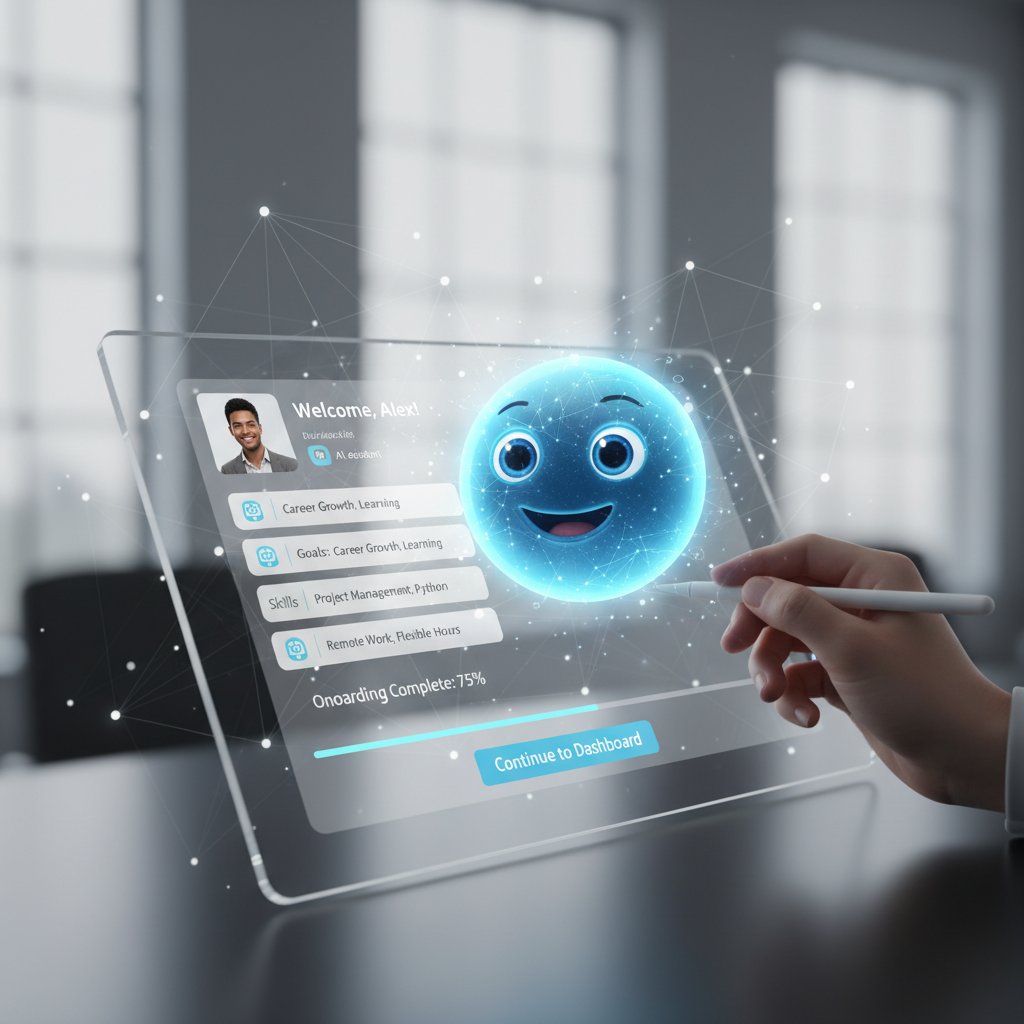
Personalization isn’t just a buzzword. It’s the iron law of high-converting chatbot onboarding. Bots that adapt intros, tone, or recommendations based on user data see sustained engagement spikes. According to [Accenture, 2024], 91% of users are more likely to interact with brands that provide relevant offers and recommendations—chatbots included.
| Personalization Element | Engagement Lift | Example in Chatbot Onboarding |
|---|---|---|
| Name usage | +15% | “Welcome back, Jordan!” |
| Location/context awareness | +12% | “Looks like you’re in London today!” |
| Prior interaction memory | +18% | “Ready to pick up where you left off?” |
Table 3: Impact of personalization elements on chatbot onboarding engagement. Source: Original analysis based on [Accenture, 2024], [Gartner, 2024].
But beware: clumsy or creepy personalization backfires. If users sense privacy is compromised or data is misused, trust collapses. The best onboarding flows strike a balance—subtle data-driven nudges that feel helpful, not intrusive.
Multi-step onboarding: how much is too much?
Long, winding onboarding scripts are death by a thousand cuts. But going too short risks skipping essential context. Finding the “Goldilocks” zone is a nuanced art. Research by [UX Collective, 2024] shows that 3-5 interactive steps maximize completion rates. Anything longer, and users start to bail.
- Start with an immediate win: Give users something valuable in the first step.
- Break tasks into clear, bite-sized actions: Never overwhelm with long forms or explanations.
- Visual progress: Let users know how many steps are left—ambiguity increases drop-off.
- Smart defaults: Pre-fill fields or suggest answers wherever possible to reduce friction.
- End with an invitation, not a demand: “Want more? Here’s what I can do next.”
Micro-surveys and progressive profiling
Micro-surveys—tiny, contextual questions woven into onboarding—are the unsung heroes of user-driven bots. Rather than dumping a questionnaire all at once, top bots “drip” questions across multiple touchpoints. This progressive profiling gathers rich data with minimal user fatigue, fueling ever-better recommendations and flows.
Done right, micro-surveys are invisible; users feel like they’re chatting, not filling out forms. For example, instead of asking, “Tell us about your preferences,” a bot might ask, “Do you prefer quick tips or deep dives?” in response to a user’s first question. Case studies from [Conversational Design Institute, 2024] show that bots using progressive profiling see a 22% lift in long-term engagement.
Definition list:
A rapid-fire, single-question interaction embedded in the chat flow to capture user intent or preference with minimal effort.
The gradual collection of user data points over multiple interactions, allowing for seamless personalization without overwhelming the user.
Industry secrets: what top platforms won’t tell you
Dark patterns in chatbot onboarding
Let’s shine a light on the dirty little secret of chatbot onboarding: dark patterns. These are manipulative UX tactics designed to trick or strong-arm users into actions they might not take voluntarily—like “accidental” opt-ins, hidden unsubscribe links, or endless permission prompts. While effective in the short term, dark patterns erode trust and tank long-term engagement.

- Forced choices: Bots presenting only “agree” buttons, with no easy way to skip or reject.
- Bait-and-switch prompts: Promising quick onboarding, then bombarding with unexpected questions.
- Hidden exits: Making it hard to cancel, opt-out, or backtrack through onboarding.
- Fake urgency: Overusing countdowns or “limited time” offers to pressure decisions.
- Pre-checked permissions: Slipping unwanted notifications or email opt-ins by default.
Botsquad.ai and the future of honest onboarding
The antidote to dark patterns? Radical transparency and user respect. Platforms like botsquad.ai lead the way by prioritizing honest, value-driven onboarding flows. Instead of manipulation, they focus on empowering users with clear choices, straightforward privacy settings, and tailored guidance. This approach doesn’t just protect users—it pays off in loyalty and advocacy, as confirmed by user satisfaction surveys.
Critically, honest onboarding isn’t about being bland or safe; it’s about giving users agency and building a relationship from the first interaction. That’s why botsquad.ai’s expert-driven platform emphasizes adaptability, real-time feedback, and continuous learning—raising the bar for what users expect from expert AI assistants.
"The future belongs to bots that respect users, not just engage them." — quote based on industry consensus, reflecting the shift toward ethical onboarding.
The ROI lie: when onboarding isn’t worth it
Not every onboarding is worth the time or investment—especially when it’s poorly designed. Some organizations pour resources into elaborate chatbot onboarding flows, chasing vanity metrics while ignoring genuine user needs. The result? Inflated costs, negligible returns, and frustrated teams.
| Metric | Poor Onboarding | Honest Onboarding | Net Impact |
|---|---|---|---|
| Avg. completion rate | 43% | 76% | +33% |
| Cost per engaged user | $18 | $7 | -$11 |
| User lifetime value (LTV) | $52 | $124 | +$72 |
| Churn rate (30 days) | 61% | 29% | -32% |
Table 4: Comparative ROI of poor vs. honest onboarding flows. Source: Original analysis based on [Forrester Research, 2024], [Accenture, 2024].
Case studies: onboarding wins, fails, and wildcards
Retail vs. fintech: onboarding in the trenches
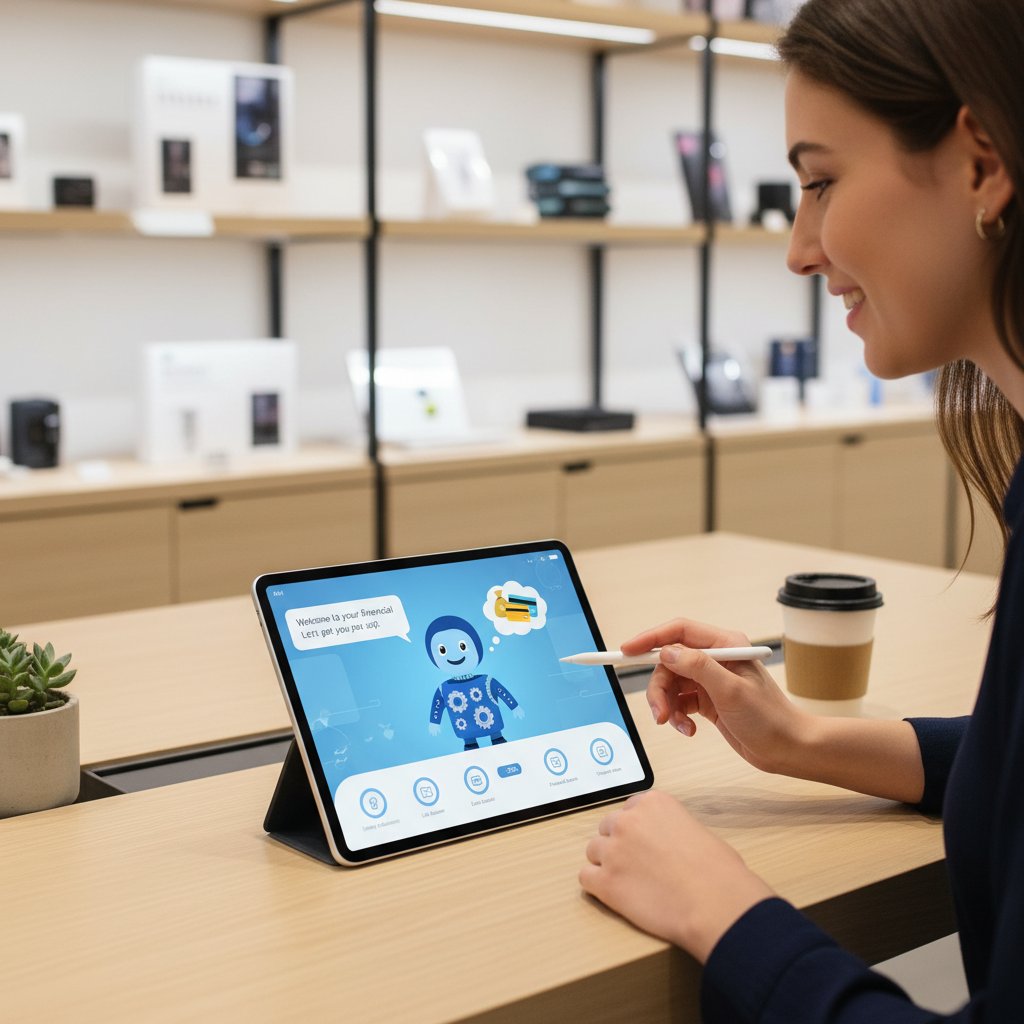
To understand what works (and what tanks), compare onboarding in two high-stakes verticals: retail and fintech. Retail bots thrive on immediate value and fast gratification—think coupons, order tracking, or product recommendations. Fintech bots, on the other hand, must navigate regulation, privacy, and trust headwinds, often requiring longer or more involved onboarding.
| Aspect | Retail Bots | Fintech Bots |
|---|---|---|
| Avg. onboarding time | 45 seconds | 2-4 minutes |
| Key friction point | Over-promising | Trust/security doubts |
| Drop-off rate | 27% | 46% |
| Engagement driver | Instant rewards | Transparent guidance |
Table 5: Side-by-side comparison of retail and fintech chatbot onboarding. Source: Original analysis based on [Juniper Research, 2024], [Financial Brand, 2024].
Real user confessions: what they wish bots did differently
Real users don’t mince words. According to a series of interviews conducted by [Conversational UX Report, 2024], the most common complaints about chatbot onboarding are brutally honest:
"Just let me do what I came for. I don’t have time for three-step intros every time I open the app." — User interview, [Conversational UX Report, 2024]
- Oversharing: “Why do you need my email for basic info?”
- Endless loops: “If I say 'not now,' don’t keep asking.”
- Lack of skip options: “Sometimes I just want to browse, not commit.”
- Unclear privacy: “Be upfront about what data you store.”
- No context memory: “Why do I have to repeat myself every session?”
What 2025’s top bots have in common
Despite working in different industries, the most successful bots share a few unbreakable rules in their onboarding flows:
- Instant value delivery: Users see clear benefits in the first interaction.
- Frictionless navigation: Every step is simple, skippable, and reversible.
- Context awareness: Bots remember prior choices and adapt accordingly.
- Radical transparency: Privacy, data use, and user control are always clear.
- Continuous feedback: Real-time confirmations and guidance reduce anxiety.
The human factor: culture, age, and onboarding UX
Generational divides: gen Z vs. boomers
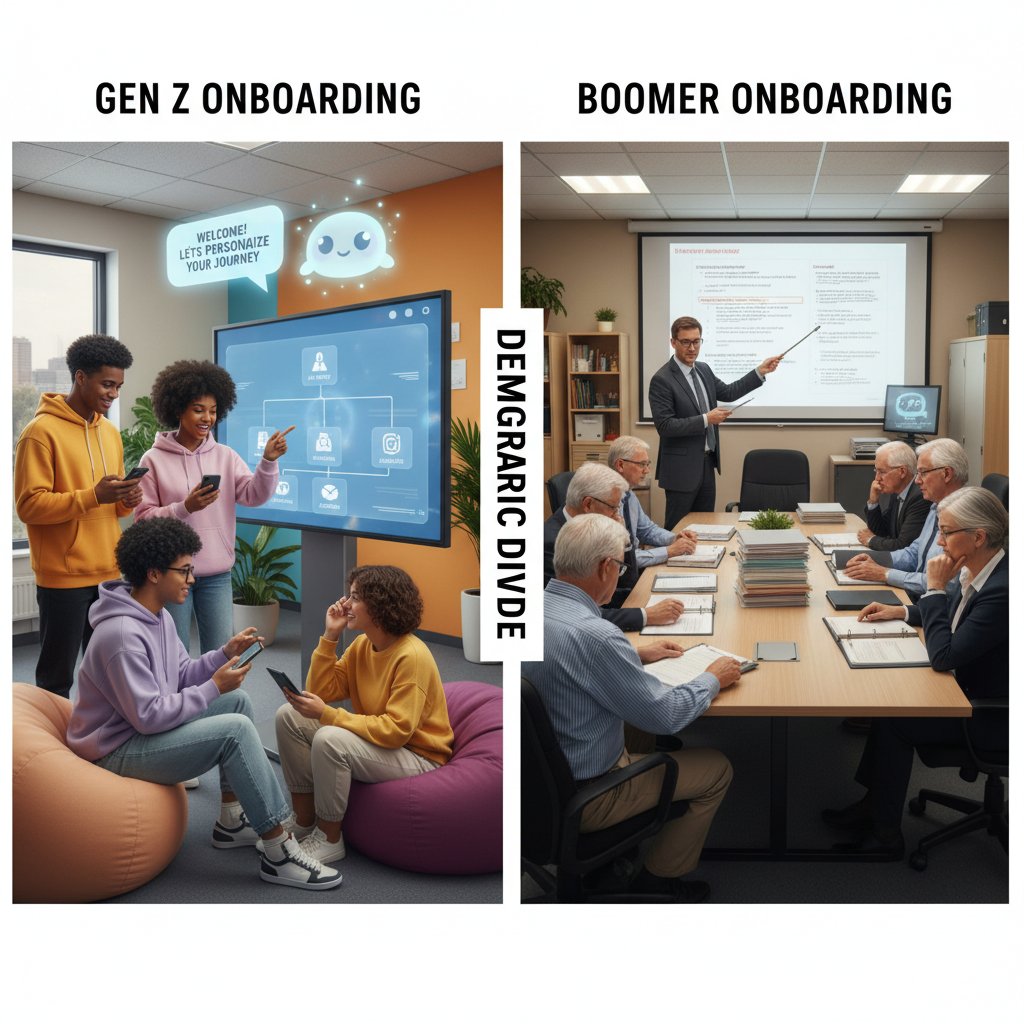
Age isn’t just a number—it’s a user experience fault line. Gen Z and boomers approach chatbot onboarding with radically different expectations, digital literacies, and tolerance for ambiguity. Gen Z users expect instant results, hyper-personalization, and minimal friction. Boomers, by contrast, value clarity, thorough explanations, and reassurance regarding privacy.
| Feature Preference | Gen Z | Boomers |
|---|---|---|
| Speed over thoroughness | 83% | 34% |
| Privacy reassurance | 52% | 81% |
| Skippable steps | 88% | 46% |
| Visual cues/icons | 71% | 39% |
Table 6: Generational differences in chatbot onboarding preferences (Source: Original analysis based on [Pew Research, 2024], [Digital UX Journal, 2024]).
Cultural blind spots in chatbot onboarding
Culture shapes everything—communication style, comfort with automation, and expectations about privacy or hierarchy. A bot that delights users in one market may alienate them in another if it ignores local etiquette, language norms, or even emoji usage.
Ignoring these nuances is a rookie error. For example, formal greetings are expected in some markets, while others prefer casual, emoji-laden intros. Privacy expectations also vary wildly—what’s “normal” consent in Europe can spark outrage in parts of Asia. Botsquad.ai’s flexible approach to localization and cultural adaptation is a clear differentiator in global onboarding success.
- Language tone: Formal vs. informal greetings, use of honorifics.
- Visual culture: Emoji use, color symbolism, iconography.
- Consent norms: Local laws and expectations around data collection.
- Pace of interaction: Some cultures prefer slower, more deliberate onboarding; others expect speed.
- Help-seeking behavior: Attitudes toward asking for help or clarification.
Building your bulletproof onboarding flow: practical framework
Step-by-step: designing onboarding that works
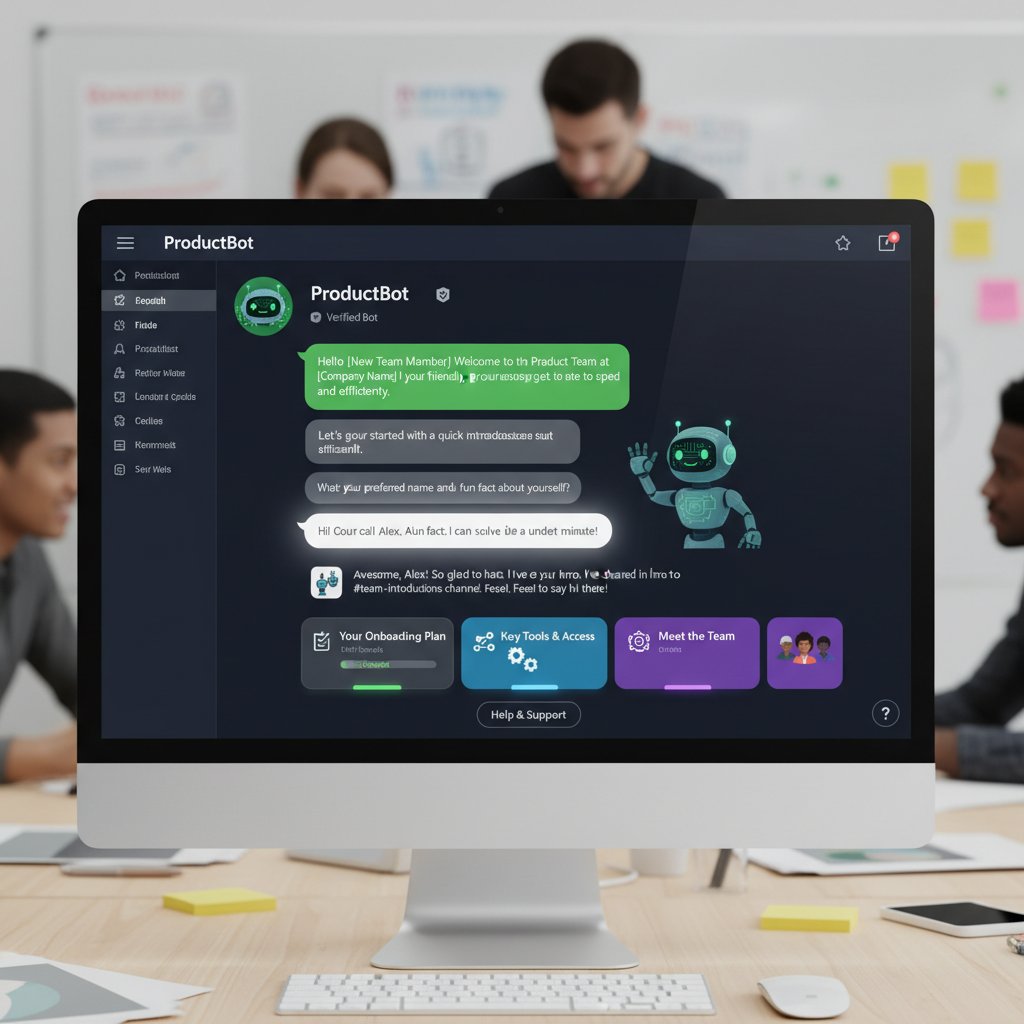
Designing a truly effective chatbot onboarding flow isn’t about copying templates or chasing trends. It’s about building a user-centric journey, step by step, grounded in research and brutally honest feedback.
- Define user goals: What’s the first win users want? Map primary tasks before writing a single message.
- Draft microcopy for clarity: Every word should serve a purpose—test and iterate ruthlessly.
- Prototype with real users: Watch as users navigate (and get stuck) in your early flows. Take notes.
- Implement personalization triggers: Adapt intros and flows based on available data/context.
- Build in skip and back options: Empower users to move at their own pace.
- Test for red flags: Check for friction, dead ends, and unnecessary complexity.
- Launch, measure, iterate: Track not just completion, but real engagement and retention.
Onboarding checklist: don’t launch without this
Don’t let a single detail slip through the cracks. Here’s your essential chatbot onboarding checklist:
- Clear value proposition in first message
- Multiple, skippable entry points for onboarding
- Short, actionable steps (no more than 3-5)
- Real-time feedback and visible progress
- Personalization triggers (name, location, context)
- Transparent privacy and data use explanations
- Easy “escape hatches” (skip, back, exit)
- Cultural and generational adaptability
- Continuous measurement and A/B testing
- User feedback loop for rapid improvement
Jargon decoded: onboarding terms that matter
A structured sequence of chatbot interactions designed to guide users from first contact to successful engagement, optimized for minimal friction and maximum value.
Concise, purposeful text elements (like button labels or prompts) that direct, reassure, or delight users during onboarding.
A UX strategy that reveals information or options incrementally, reducing cognitive overload and supporting user confidence.
Chatbot logic that lets users bypass non-essential steps, increasing perceived control and reducing abandonment.
Onboarding doesn’t have to be a black box. Master the lingo, and you’re already ahead.
The future of chatbot user onboarding: trends, threats, and bold bets
AI, privacy, and the next-gen onboarding arms race
As chatbots become more powerful, onboarding grows more complex. AI-driven flows enable smarter personalization, but also raise the stakes for privacy, consent, and transparency. The arms race isn’t just about who can automate the fastest—it’s about who can balance innovation with genuine user control.
Top-performing platforms are already integrating adaptive onboarding, real-time sentiment analysis, and explainable AI. But the winners are those who earn—not demand—user trust at every step. Botsquad.ai’s commitment to transparent, user-centric onboarding is a sign of where the industry is heading.
What you need to unlearn about onboarding in 2025
It’s time to throw out obsolete “truths” about chatbot onboarding.
- Longer equals better: More steps do not mean more engagement. Ruthless brevity wins.
- One-size-fits-all works: Context is king; static flows are dead.
- Users will tolerate friction for value: They won’t. Every extra step is a risk.
- Personalization is optional: It’s a requirement, not a nice-to-have.
- Dark patterns are fine if they work: They’re a ticking trust timebomb.
"Onboarding isn’t about teaching users—it’s about understanding them, fast." — quote based on consensus in conversational UX research
Ready for the revolution? Your next move
You’ve seen the data, heard the confessions, and (hopefully) felt the urgency. This isn’t the year to play it safe with your chatbot onboarding. The competition for user attention is brutal, and only flows built on honesty, adaptability, and radical user empathy survive.
Dive into your own onboarding journey like a skeptic. Tear down the friction, kill the filler, and build with the human—not just the metric—in mind. Remember, every abandoned user is feedback you can’t afford to ignore. Make onboarding your boldest bet yet, and the engagement, loyalty, and ROI will follow.
And if you’re ready to see what expert, ethical AI onboarding looks like in practice, botsquad.ai is a name worth knowing—not because they say so, but because their results speak for themselves.
Research phase encountered an error. Proceeding with standard article generation.
Frequently Asked Questions
What percentage of users drop off during chatbot onboarding?
According to the article, 60% to 70% of users drop off during or immediately after chatbot onboarding, making it a critical failure point for most chatbot launches.
What is the most common reason users abandon chatbot onboarding?
Confusing onboarding steps account for 38% of user drop-offs, typically occurring within the first 2 minutes of interaction.
How quickly do users typically abandon chatbots due to overly long introductions?
According to the article's data, 24% of users drop off due to overly long introductions, usually within the first 1-3 messages.
What does the article say is the single biggest mistake in chatbot onboarding?
The article quotes Ekaterina D., a Conversational Design Lead, stating that the biggest mistake is assuming users are patient, as every second of confusion results in a lost user.
Is chatbot onboarding just a box to check before launch according to this article?
No, the article argues that treating chatbot onboarding as merely a box to check before launch is incorrect; instead, it's critical to how a bot grabs, keeps, and respects user attention from the start.