Topics

Healthcare AI assistants

29 articles

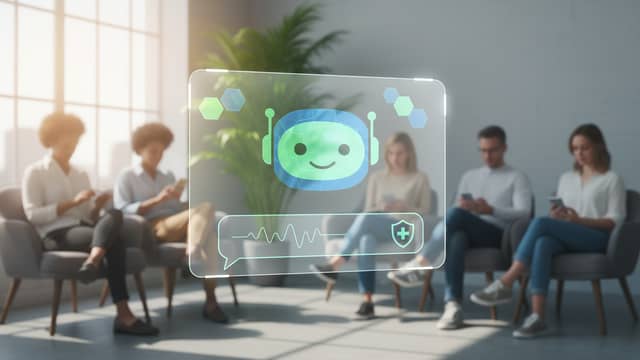
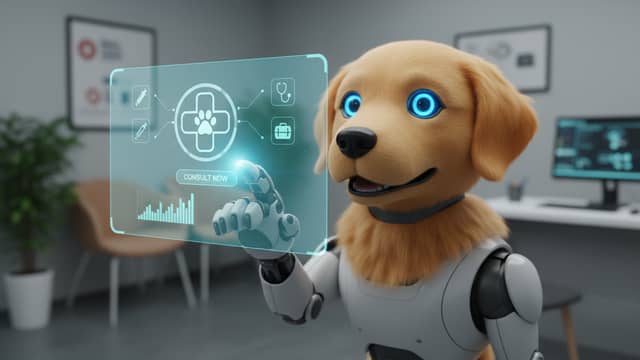
This section gathers everything the site publishes on AI chatbots and virtual assistants used in healthcare settings. Articles look at patient-facing uses such as triage questions, appointment handling, medical information requests and patient engagement, alongside internal uses like clinical workflow automation and support for healthcare professionals. Specific care contexts are covered separately: elderly and home care, mental health services, emergency services, health insurance, clinical trials, pharmaceuticals and veterinary practices. Recurring themes include chatbot safety limits, trust, patient dignity, staff burnout, regulatory pressure such as GxP requirements, and the difference between claimed efficiency and measurable return. Readers will also find assessments of where these assistants fail and which tasks remain unsuitable for automation.

Frequently Asked Questions

How does an AI chatbot differ from a virtual medical assistant?

The terms overlap in everyday use.

Do AI assistants reduce clinician workload?

Reported gains concentrate on documentation, intake and repetitive messaging rather than on clinical decision-making. Where the assistant is poorly integrated, it can add review work instead of removing it, which is why articles here separate claimed efficiency from measured outcomes.

Are older patients willing to use AI chatbots?

Adoption among seniors depends heavily on interface design, clarity of language and whether the tool supplements rather than replaces human contact. In elderly and home care settings, safety and dignity are treated as design requirements, not optional features.