Topics

AI expert assistants

74 articles · Page 1

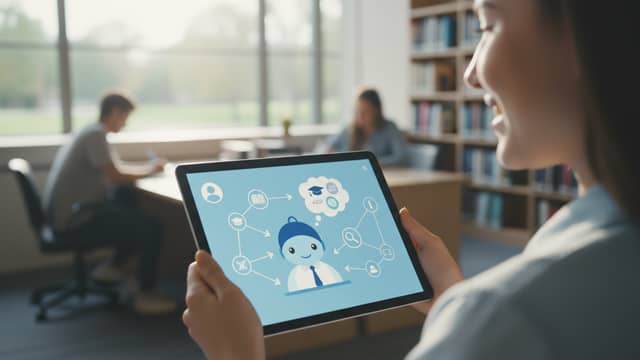
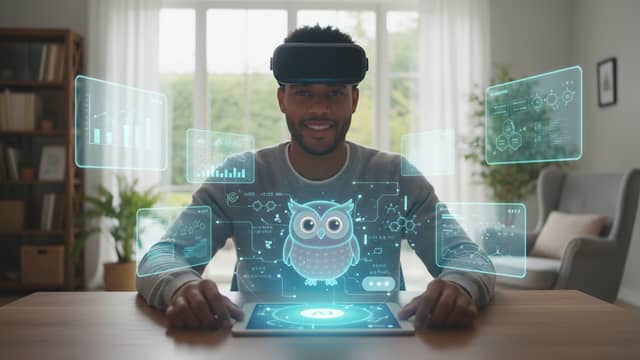
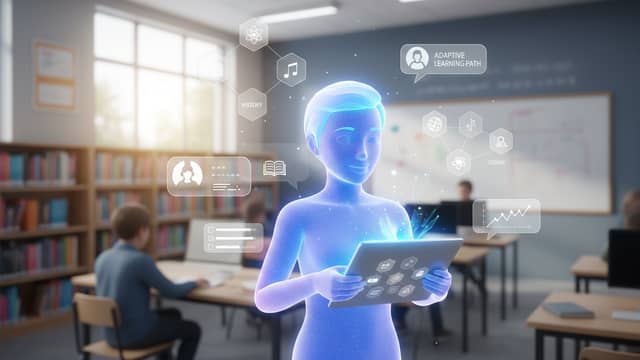
This section collects articles on chatbots used as tutors, consultants, researchers and advisers. It covers AI in education, adaptive learning and personalization tools, student engagement and performance, and what an AI learning assistant can and cannot replace in teaching. It also examines professional use: AI-powered business and legal advice, decision support, research assistants, and round-the-clock expert availability compared with traditional consulting firms. Articles weigh benefits against risks, look at how natural language processing shapes the answers these tools give, and discuss chatbot implementation in enterprise and industry settings. Comparisons of tools and approaches, including 2026 chatbot comparisons, sit alongside guidance on when human expertise remains necessary.

Frequently Asked Questions

Can an AI tutor replace a human teacher?

An AI tutor can deliver practice, explanations and personalized pacing at any hour, which is where adaptive learning chatbots are strongest. It does not replace a teacher's judgement about a student's progress, motivation or context. Most articles here treat it as a supplement rather than a substitute.

Is AI-powered professional advice trustworthy?

AI assistants can produce fast, well-structured answers on business, legal and research questions, but the output still needs to be checked against authoritative sources. Accuracy depends on the quality of the underlying model and the data it was given. For decisions with legal or financial consequences, human review remains the safeguard.

What does 24/7 chatbot availability actually change?

Continuous availability removes waiting time, so questions get answered outside office hours and across time zones. That mainly helps with routine queries, first-pass research and triage. Complex cases still queue for a human expert, so availability shortens the start of the process more than the end of it.